Is Group Therapy Effective?
If you're considering group therapy for yourself or your child, you're probably wondering: does it actually work? Is there evidence that group therapy produces real results?
Here's the answer: Yes. Group therapy is evidence-based and effective. This isn't just my opinion as someone who's been running groups for over 20 years—it's backed by extensive scientific research.
Decades of research—including meta-analyses of over 300 studies involving more than 27,000 patients—show that group therapy is as effective as individual therapy for treating anxiety, depression, relationship struggles, and many other mental health challenges. The American Group Psychotherapy Association calls it a "Triple E" treatment: Effective, Efficient, and Equivalent to individual therapy.
Let me walk you through what the research shows and why group therapy works.
What does the research say about group therapy's effectiveness?
Extensive research demonstrates that group therapy is effective. Meta-analyses examining 329 randomized controlled trials with over 27,000 patients show that group therapy produces meaningful change. The average person who receives group therapy is better off than 72% of people who receive no treatment.
The research on group therapy is substantial and clear. Over the past 30 years, eleven major meta-analyses have examined the effectiveness of group therapy across various mental health conditions. These aren't small studies—they represent hundreds of clinical trials involving tens of thousands of real people.
The numbers are compelling. Research shows an effect size of 0.58 when comparing group therapy to no treatment, which means the average recipient of group treatment is better off than 72% of untreated controls.
Group therapy has been proven effective for a wide range of conditions: depression, anxiety disorders, social anxiety, PTSD and trauma, eating disorders, substance use disorders, relationship struggles, grief and loss, and identity questions.
The American Psychological Association formally recognized group psychotherapy as a specialty in 2018, acknowledging the unique expertise and evidence base that supports this work.
How effective is group therapy compared to individual therapy?
Research consistently shows that group therapy is equally effective as individual therapy for most mental health conditions. They produce equivalent outcomes through different mechanisms. Group therapy is also more cost-effective and can serve more people.
One of the most common questions I hear is: "Is group therapy as good as individual therapy?" The research is clear: yes, they're equally effective.
Multiple meta-analyses have directly compared group therapy to individual therapy and found equivalent outcomes. For depression, anxiety, relationship struggles, and many other conditions, group therapy produces the same level of improvement as individual therapy.
But they work differently. Individual therapy creates change primarily through your relationship with the therapist. Group therapy creates change through relationships with peers—through the experience of not being alone, through feedback from people who matter to you, through real-time practice in relationships.
A recent analysis in the American Psychologist journal found that if just 10% of the unmet need for psychotherapy in the US was addressed with group therapy instead of individual therapy, it would serve 3.3 million more people and save over $5.6 billion in mental health care costs.
This doesn't mean group therapy is better—it means it's a powerful, effective tool that's currently underutilized.
Why is group therapy effective? What makes it work?
Group therapy works through unique mechanisms that individual therapy can't replicate. Research shows that group cohesion correlates with positive outcomes at the same level as therapeutic alliance in individual therapy. Factors like universality, altruism, peer feedback, and real-time relational practice create change in ways individual therapy simply cannot.
The research has identified specific factors that make group therapy effective:
Cohesion. The sense of connection and belonging between group members. Meta-analysis of 55 studies found that cohesion correlates with positive outcomes at r=0.26—the same strength as the therapeutic alliance in individual therapy.
Universality. The profound relief of discovering you're not the only one. When people realize others struggle with the same fears and insecurities, shame dissolves and connection becomes possible.
Altruism. Helping other group members creates healing for the helper. Moving from only receiving help to also giving help shifts people's sense of self-worth and purpose.
Peer feedback. Feedback from peers carries more weight than feedback from a therapist because peers represent the "real world"—they don't have to like you or accept you, so when they do, it means something.
Real-time relational practice. You're not just talking about relationships—you're actually in relationships with peers who matter to you. When patterns emerge, you practice changing them in the moment with immediate feedback.
The research also shows that the quality of the group matters. Groups led by trained group therapists—especially those with the Certified Group Psychotherapist (CGP) credential—tend to produce better outcomes. At The Wellness Collective, all of our groups are either led by me as a CGP or supervised by me as a CGP, which is not common in the community. This specialized expertise makes a difference.
Does group therapy work for everyone?
Effective doesn't mean universal. Group therapy works best when there's the right fit, readiness, and commitment. Research shows that about 35% of group members struggle at some point during treatment, but skilled therapists can intervene early. It typically takes 4-6 sessions before benefits begin to emerge.
Research showing group therapy is effective doesn't mean it works for everyone in every situation.
The research tells us that group therapy requires certain conditions to be effective:
Readiness. You need a baseline level of stability to participate. If someone is in acute crisis, they typically need individual therapy first.
Fit. Not every group is right for every person. The screening and intake process matters. Research supports the importance of proper member selection and pre-group preparation.
Time. Meaningful change doesn't happen after one session. It takes 4-6 sessions before people start to feel the benefits.
Skilled facilitation. Therapist expertise impacts outcomes. Groups run by trained group therapists produce better results than groups run by therapists without specialized training.
Research shows that about 35% of group members will struggle at some point during treatment. When therapists use outcome monitoring and intervene early, they can prevent dropout and help people get back on track.
Group Therapy Effectiveness in Hermosa Beach, CA
The research is clear: group therapy works. It's as effective as individual therapy, it works through unique mechanisms, and it addresses the mental health crisis by serving more people.
At The Wellness Collective in Hermosa Beach, we take the evidence base seriously. All of our interpersonal process groups for elementary girls (3rd-5th grade), middle school girls, high school girls, and young adults are either led by me as a Certified Group Psychotherapist or supervised by me as a CGP. This level of specialized expertise is uncommon in the community and makes a difference in how effectively our groups run.
Ready to experience the proven effectiveness of group therapy?
Contact us to schedule a free 15-minute phone consultation. We'll talk about what's going on and help you determine if our evidence-based group therapy approach is right for you or your child.
Phone: 310-817-0599
Email: Info@thewellnesscollectiveca.com
Website: www.thewellnesscollectiveca.com
For more information about group therapy, read:
Can Group Therapy Help Someone with High-Functioning Autism or Social Anxiety?
Is Group Therapy Confidential—What If Someone Shares My Story?
How Do I Choose the Right Kind of Group Therapy for My Child, Teen, or Young Adult?
What is the Difference between a Time-Limited Group and an Open-Ended Group?
Visit our Group Therapy page: www.thewellnesscollectiveca.com/group-therapy
About the Author
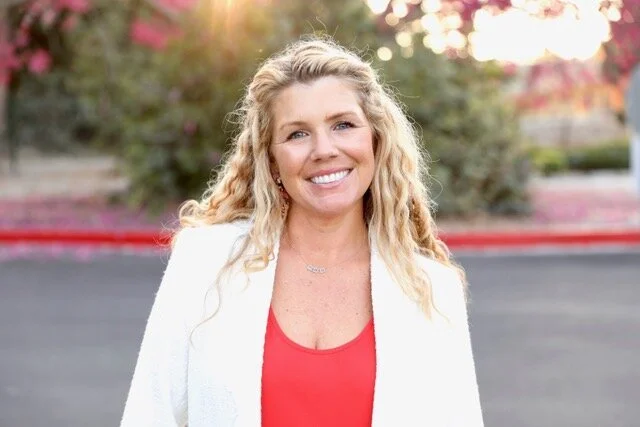
Leah Niehaus is a Licensed Clinical Social Worker and Certified Group Psychotherapist (CGP) with over 20 years of clinical experience specializing in group therapy for children, adolescents, and young adults. As the owner and Clinical Director of The Wellness Collective in Hermosa Beach, California, she has dedicated her career to helping individuals navigate life's challenges through the transformative power of group therapy.
Leah earned her Bachelor of Arts in Sociology from Pepperdine University and her Master's in Social Work from California State University, Long Beach. Her clinical background includes community mental health, public child welfare, and psychiatric social work at UCLA Neuropsychiatric Institute and Hospital. She has been in private practice for 21 years and has operated a group practice for 9 years.
As a Certified Group Psychotherapist—an advanced credential representing specialized expertise in group therapy—Leah is recognized as an expert in group dynamics and interpersonal process therapy. She was recently honored by the City of Hermosa Beach as "Best of Clinical Social Work 2023."
Leah is a CAMFT Certified Clinical Supervisor, training the next generation of therapists. She serves as an Ambassador for South Bay Families Connected and sits on the Manhattan Beach Unified School District Medical Advisory Board. She is an active member of the American Group Psychotherapy Association (AGPA),co-leads the Advanced Child & Adolescent Group Therapy Consult Group, and serves on the Public Outreach committee.
Leah is a frequent guest speaker and writer on parenting, adolescence, and group therapies. Her newsletter, "Lighter Touch with Leah," provides practical guidance for parents. As both a clinician and mother of three, she brings professional expertise and personal understanding to her work.
To learn more about Leah's approach or to schedule a free consultation, visit www.thewellnesscollectiveca.com or call 310-817-0599.
