How Do I Know If My Child or Teen Needs a Social Skills Group?
As a parent watching your child struggle with friendships, social situations, or peer relationships, you've probably wondered: does my child need a social skills group?
It's a common question, and it makes sense that you'd ask it. But here's what's important to understand: "social skills group" is actually a catch-all term that parents use to describe very different types of groups.
There are two main types: social skills groups (structured, curriculum-based programs) and interpersonal process groups (relational, experiential groups where kids practice in real time with peers). They work completely differently and are designed for different problems.
Figuring out which one your child needs—or whether they need either—depends on understanding what's actually getting in the way.
What's the difference between a social skills group and a process group?
Social skills groups teach WHAT to do through structured curriculum—how to start conversations, join groups, read social cues. Process groups teach HOW to do it through real-time practice in relationships with peers. Most parents say "social skills group" when looking for help with peer relationships, but the right type depends on what's actually missing.
Social skills groups are curriculum-based. They teach specific skills through lessons, worksheets, role-plays, and homework. A therapist leads the group through structured programs teaching things like how to start conversations, join group activities, read social cues, handle teasing, and understand unwritten friendship rules. Programs like PEERS (Program for the Education and Enrichment of Relational Skills) are well-known examples of this approach.
These groups are educational. They assume your child is missing knowledge—they don't know what they're supposed to do socially.
Interpersonal process groups are experiential. There's no curriculum, no worksheets, no homework. Kids are in actual relationships with peers who matter to them, and they practice navigating those relationships in real time with a therapist's guidance. The learning happens through experience—working through real conflict, setting real boundaries, being authentic, receiving feedback from peers.
These groups assume your child has some social knowledge but struggles to use it. They know what they should do—they just can't do it when it matters because anxiety, patterns, or emotional barriers get in the way.
Think of it this way: social skills groups are like learning about riding a bike from a manual. Process groups are like actually getting on the bike and riding it with support.
How do I know if my child needs a structured social skills curriculum?
Your child likely needs a structured social skills curriculum if they genuinely don't know basic social rules, are missing fundamental knowledge about how social interaction works, can't read basic social cues, or have very literal/concrete thinking. This is more common with high-functioning autism without a social baseline or severe ADHD impacting basic interaction.
Signs your child might need a curriculum-based social skills group:
They genuinely don't know what to do—not anxious about doing it, but missing the information entirely
They're very literal and concrete—miss sarcasm, jokes, subtle social cues
They ask questions like "What do I say?" or "How do I join a group?"
They don't pick up on unwritten social rules—personal space, turn-taking, matching energy level
They have high-functioning autism without much social baseline
They have severe ADHD that impacts basic interaction
If this sounds like your child, a structured social skills program might be appropriate.
At The Wellness Collective, we don't offer curriculum-based social skills groups. When we assess that a child needs structured teaching, we refer to programs that specialize in this approach. We specialize in interpersonal process groups for kids who have some social knowledge but struggle to use it.
How do I know if my child needs an interpersonal process group instead?
Your child likely needs an interpersonal process group if they KNOW what they should do socially but struggle to actually do it. Signs include: anxiety gets in the way of using skills they have, they can make friends but can't keep them, they struggle with patterns like conflict avoidance or people-pleasing, they know the rules but freeze in the moment.
Signs your child might need a process group:
They know what they should do but can't do it—anxiety, fear, or old patterns take over
Anxiety gets in the way—they understand social rules but social anxiety makes it hard to use what they know
They can make friends but can't keep them—patterns emerge like conflict avoidance, people-pleasing, difficulty with boundaries
They struggle with authenticity—they know how to be likable on the surface but struggle to be themselves
They have relationship patterns—same dynamics keep repeating
They can handle surface friendships but struggle with depth
They're sensitive or intense—feel things deeply, pick up on subtle dynamics, struggle to find peers who get them
If this sounds like your child, they don't need to be taught social rules—they need practice using the knowledge they have in relationships that matter.
This is what we specialize in at The Wellness Collective. Our interpersonal process groups for elementary girls, middle school girls, high school girls, and young adults provide real-time relational learning. Kids practice being authentic, setting boundaries, navigating conflict, and building genuine connection—all with the support of a Certified Group Psychotherapist.
What questions should I ask myself to figure out which type my child needs?
The key question is: Does my child not know what to do, or do they know but struggle to do it? Other helpful questions: Can they tell you what they should do even if they can't do it? Is anxiety or fear getting in the way? Have they had friendships in the past? The answers point you toward skills-based teaching or experiential practice.
Questions to help you decide:
Does my child not know what to do, or do they know but can't do it?
If they truly don't know: Skills-based curriculum
If they know but struggle to do it: Process group
Can they tell you what they should do in a social situation, even if they can't actually do it?
Yes → They have the knowledge, they need practice (process group)
No → They're missing knowledge (skills-based group)
Is anxiety or fear getting in the way?
Yes → Process group
No, genuine confusion → Skills-based group
Have they had friendships in the past, even if they struggled to maintain them?
Yes → They can connect, they need help with patterns (process group)
No, never → Might need skills-based teaching first
Can they make friends but struggle to keep them?
Yes → Relationship patterns need work (process group)
No, can't even initiate → Might need skills-based first
Most of the time, when parents say "my child needs a social skills group," what they're actually describing is a child who needs a process group. The child knows what they should do—they're just struggling to do it because of anxiety, patterns, or emotional barriers.
But sometimes, a child genuinely needs structured teaching of social rules first. When that's the case, we're honest about it and refer to programs that specialize in that work.
Finding the Right Type of Group in Hermosa Beach, CA
Figuring out whether your child needs a social skills curriculum or an interpersonal process group is the first step toward getting them the right help.
At The Wellness Collective in Hermosa Beach, we specialize in interpersonal process groups for elementary girls (3rd-5th grade), middle school girls, high school girls, and young adults. All of our groups are led by or supervised by me as a Certified Group Psychotherapist.
If your child knows what they should do socially but struggles to actually do it—if anxiety, patterns, or emotional barriers get in the way—our process groups provide the real-time relational practice they need.
If your child genuinely needs structured social skills teaching, we'll be honest about that during intake and refer you to programs that can help.
Wondering which type of group your child actually needs?
Contact us to schedule a free 15-minute phone consultation. We'll talk about what's getting in the way for your child and help you figure out whether they need social skills training, interpersonal process work, or something else entirely.
Ready to find out if you or your child is appropriate for group therapy?
Contact us to schedule a free 15-minute phone consultation. We'll talk about what's going on and help you determine if group therapy is the right fit.
Phone: 310-817-0599
Email: Info@thewellnesscollectiveca.com
Website: www.thewellnesscollectiveca.com
For more information about group therapy, read:
Can Group Therapy Help Someone with High-Functioning Autism or Social Anxiety?
Is Group Therapy Confidential—What If Someone Shares My Story?
How Do I Choose the Right Kind of Group Therapy for My Child, Teen, or Young Adult?
What is the Difference between a Time-Limited Group and an Open-Ended Group?
Visit our Group Therapy page: www.thewellnesscollectiveca.com/group-therapy
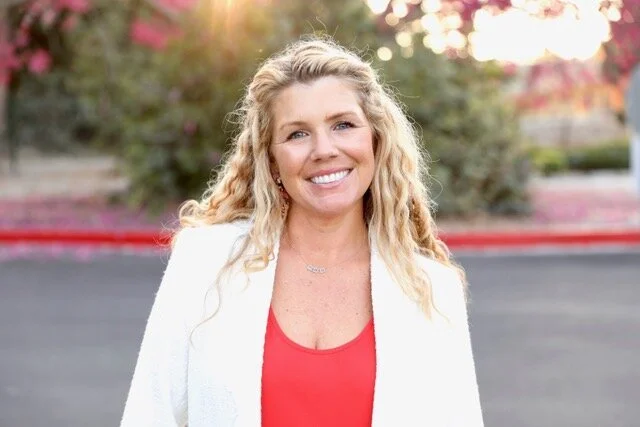
About the Author
Leah Niehaus is a Licensed Clinical Social Worker and Certified Group Psychotherapist (CGP) with over 20 years of clinical experience specializing in group therapy for children, adolescents, and young adults. As the owner and Clinical Director of The Wellness Collective in Hermosa Beach, California, she has dedicated her career to helping individuals navigate life's challenges through the transformative power of group therapy.
Leah earned her Bachelor of Arts in Sociology from Pepperdine University and her Master's in Social Work from California State University, Long Beach. Her clinical background includes community mental health, public child welfare, and psychiatric social work at UCLA Neuropsychiatric Institute and Hospital. She has been in private practice for 21 years and has operated a group practice for 9 years.
As a Certified Group Psychotherapist—an advanced credential representing specialized expertise in group therapy—Leah is recognized as an expert in group dynamics and interpersonal process therapy. She was recently honored by the City of Hermosa Beach as "Best of Clinical Social Work 2023."
Leah is a CAMFT Certified Clinical Supervisor, training the next generation of therapists. She serves as an Ambassador for South Bay Families Connected and sits on the Manhattan Beach Unified School District Medical Advisory Board. She is an active member of the American Group Psychotherapy Association (AGPA),co-leads the Advanced Child & Adolescent Group Therapy Consult Group, and serves on the Public Outreach committee.
Leah is a frequent guest speaker and writer on parenting, adolescence, and group therapies. Her newsletter, "Lighter Touch with Leah," provides practical guidance for parents. As both a clinician and mother of three, she brings professional expertise and personal understanding to her work.
To learn more about Leah's approach or to schedule a free consultation, visit www.thewellnesscollectiveca.com or call 310-817-0599.
