Who is NOT Appropriate for Group Therapy?
Group therapy is powerful and effective—but it's not for everyone, and it's not appropriate for every situation.
Being honest about who isn't appropriate for group therapy is just as important as knowing who is. Sometimes group therapy isn't the right fit—at least not right now. That doesn't mean therapy won't help. It just means individual therapy, intensive treatment, or a different approach should come first.
As a Certified Group Psychotherapist who's been running groups for over 20 years, I've learned that the most important thing I can do is be honest about fit. We care more about people getting what they actually need than filling our groups.
So let's talk about who isn't appropriate for group therapy and what they might need instead.
Who needs a higher level of care before group therapy is appropriate?
If you're in active crisis or dealing with severe untreated symptoms—severe depression where you can't function, active suicidal ideation, severe eating disorder, psychosis or mania without stabilization, or active substance abuse—you need more intensive treatment first. This might mean IOP, PHP, residential treatment, or substance abuse treatment. After stabilization, group therapy can work well as an adjunct or step down.
Group therapy is not appropriate when:
You're in active crisis. If you're experiencing severe depression where you can't function, you need more intensive support than weekly group therapy can provide. Individual therapy multiple times per week, intensive outpatient (IOP), partial hospitalization (PHP), or residential treatment might be necessary first.
You're experiencing active suicidal ideation. If you're actively thinking about ending your life, you need immediate individual support and possibly a higher level of care. After you've achieved some stabilization, group can be very helpful.
You have a severe eating disorder. If your eating disorder requires medical monitoring or has caused significant health complications, you need a higher level of care first. After stabilization, group therapy can be an excellent step down or adjunct.
You're experiencing psychosis or mania without stabilization. If you're actively psychotic or manic and haven't achieved stabilization through medication and individual treatment, group therapy isn't appropriate. Once you're stabilized, group can work well.
You're in active substance abuse. If you're currently using substances in an uncontrolled way, you need substance abuse treatment first. After you've achieved some stability in recovery, group therapy can be very supportive.
"Not appropriate now" doesn't mean "never." It means you need a different level of care first to build stability.
When is someone not ready developmentally or emotionally for group therapy?
If you're not developmentally ready for peer-based work, completely unwilling and resistant, missing fundamental social skills, can't tolerate being in a room with peers, or have severe behavioral dysregulation, group therapy isn't appropriate—at least not yet. Sometimes individual therapy or a skills-based group needs to come first.
Group therapy requires a certain level of developmental and emotional readiness. It's not appropriate when:
You're not developmentally ready. Very young children or kids with severe developmental delays might not be at a stage where peer relationships matter enough or where they can engage in the kind of reflection that group therapy requires.
You're completely unwilling. If you're being dragged into group therapy with zero buy-in or willingness to try, it won't work. Nervous willingness is fine—many people start scared. But complete resistance means the work can't happen.
You're missing fundamental social skills. If you genuinely don't know how to have a basic conversation or can't read any social cues, you might need a structured, curriculum-based skills group first. Once you have some baseline, a process group can help you practice.
You can't tolerate being in a room with peers. If being in proximity to other people causes such severe anxiety or distress that you can't even sit in the room, individual therapy to build some capacity would be more appropriate first.
What behavioral or attendance issues make someone inappropriate for group?
If you can't sit for 75-90 minutes, have severe behavioral dysregulation, display verbally aggressive or physically threatening behavior, would harm group safety, or can't commit to weekly attendance, group therapy isn't appropriate. Consistency and safety are essential for group to work.
Group therapy requires certain practical and behavioral conditions:
You can't sit for the session length. Our elementary groups are 75 minutes, and middle school through young adult groups are 90 minutes. If you can't manage that duration, group therapy won't work well.
You have severe behavioral dysregulation. If your behavior is so dysregulated that you're verbally aggressive, physically threatening, or unable to respect basic group boundaries, you would disrupt the safety of the group.
You would harm group safety. Group therapy requires emotional and physical safety for all members. If your behavior would compromise that, you're not appropriate for group.
You can't commit to weekly attendance. Group therapy depends on consistency. Members form connections, the group develops cohesion, and trust builds over time. If your schedule is too unpredictable or you can't prioritize weekly attendance, you'll miss the continuity that makes group work.
These aren't judgments about you as a person—they're practical realities about what group therapy requires to be effective.
When should someone choose individual therapy instead of group therapy?
If your issues feel too private to share in a group, you need intensive individual focus on specific trauma or issues, you prefer one-on-one format, you need scheduling flexibility that group can't provide, or your therapist recommends individual first to build capacity, individual therapy is the better choice. Sometimes both work best—individual for focused work, group for relational practice.
Sometimes individual therapy is simply a better fit:
Your issues feel too private. Some things feel too personal, too shameful, or too private to share in a group setting. That's completely valid. Individual therapy provides the privacy some issues require.
You need intensive individual focus. If you're working through complex trauma, processing a specific phobia, or dealing with issues that require sustained individual attention, individual therapy might be more appropriate.
You prefer the one-on-one format. Some people simply connect better one-on-one with a therapist. That's a valid preference.
You need scheduling flexibility. Individual therapy appointments can be rescheduled when conflicts arise. Group therapy meets at a set time every week.
Your therapist recommends individual first. Sometimes a therapist assesses that you need to build some capacity or achieve some stabilization in individual therapy before you're ready for group.
Both might work best. For many people, the combination of individual and group therapy is ideal. At The Wellness Collective, we offer both and often recommend combining them.
Finding the Right Fit in Hermosa Beach, CA
Group therapy isn't appropriate for everyone, and that's okay. What matters most is that you get the support you actually need.
At The Wellness Collective in Hermosa Beach, we're honest during intake about whether group therapy is the right fit. If we don't think group is appropriate right now, we'll tell you. We might recommend individual therapy first, suggest you need a higher level of care, or refer you to a different type of program.
When group therapy is appropriate, we offer interpersonal process groups for elementary girls (3rd-5th grade), middle school girls, high school girls, and young adults. All of our groups are led by or supervised by a Certified Group Psychotherapist.
Wondering if group therapy is appropriate for you or your child?
Contact us to schedule a free 15-minute phone consultation. We'll be honest about whether group therapy makes sense, or whether individual therapy or a different approach would be better.
Phone: 310-817-0599
Email: Info@thewellnesscollectiveca.com
Website: www.thewellnesscollectiveca.com
For more information about group therapy, read:
Can Group Therapy Help Someone with High-Functioning Autism or Social Anxiety?
Is Group Therapy Confidential—What If Someone Shares My Story?
How Do I Choose the Right Kind of Group Therapy for My Child, Teen, or Young Adult?
What is the Difference between a Time-Limited Group and an Open-Ended Group?
How Do I Know If My Child or Teen Needs a Social Skills Group?
Is Group Therapy Effective for Social Anxiety or Fear of Talking to Others?
Visit our Group Therapy page: www.thewellnesscollectiveca.com/group-therapy
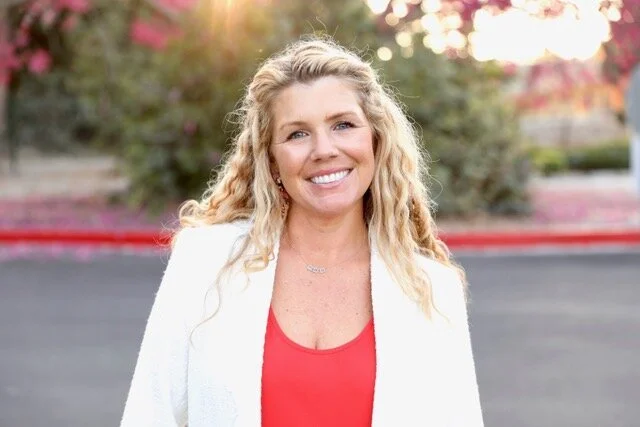
About the Author
Leah Niehaus is a Licensed Clinical Social Worker and Certified Group Psychotherapist (CGP) with over 20 years of clinical experience specializing in group therapy for children, adolescents, and young adults. As the owner and Clinical Director of The Wellness Collective in Hermosa Beach, California, she has dedicated her career to helping individuals navigate life's challenges through the transformative power of group therapy.
Leah earned her Bachelor of Arts in Sociology from Pepperdine University and her Master's in Social Work from California State University, Long Beach. Her clinical background includes community mental health, public child welfare, and psychiatric social work at UCLA Neuropsychiatric Institute and Hospital. She has been in private practice for 21 years and has operated a group practice for 9 years.
As a Certified Group Psychotherapist—an advanced credential representing specialized expertise in group therapy—Leah is recognized as an expert in group dynamics and interpersonal process therapy. She was recently honored by the City of Hermosa Beach as "Best of Clinical Social Work 2023."
Leah is a CAMFT Certified Clinical Supervisor, training the next generation of therapists. She serves as an Ambassador for South Bay Families Connected and sits on the Manhattan Beach Unified School District Medical Advisory Board. She is an active member of the American Group Psychotherapy Association (AGPA),co-leads the Advanced Child & Adolescent Group Therapy Consult Group, and serves on the Public Outreach committee.
Leah is a frequent guest speaker and writer on parenting, adolescence, and group therapies. Her newsletter, "Lighter Touch with Leah," provides practical guidance for parents. As both a clinician and mother of three, she brings professional expertise and personal understanding to her work.
To learn more about Leah's approach or to schedule a free consultation, visit www.thewellnesscollectiveca.com or call 310-817-0599.
