What are the Goals of Group Therapy?
Your child is struggling, and you can see it. Maybe they come home from school and go straight to their room. Maybe they haven't been invited to a birthday party in over a year. Maybe your young adult is spending more time gaming than connecting with actual people. The isolation is real, the pain is visible, and as a parent, it's agonizing to watch your child suffer in disconnection without knowing how to help.
You've tried talking to them. You've suggested activities, encouraged friendships, maybe even started individual therapy. But something's still missing. Your child needs more than advice from adults—they need to experience connection with peers who actually get what they're struggling with. They need an opportunity to practice social skills in real time without even realizing they're practicing. They need a place to gain confidence, figure out who they are in the context of their peers, and feel more connected overall. That's where group therapy comes in.
But before you commit to weekly sessions, you probably want to understand: what will my child actually gain from this? What are the real goals? And is group therapy going to address the social struggles that seem so hard to fix?
If you've been researching options, you may have already read our cornerstone post What is Group Therapy? A Complete Guide, which explains how group therapy works and what happens in sessions. This post goes deeper into the goals—what your child (or young adult) will work toward, what they'll gain, and why group therapy can be uniquely powerful for kids and teens who are struggling to connect.
At The Wellness Collective, I'm Leah Niehaus, LCSW, CGP—a Licensed Clinical Social Worker and Certified Group Psychotherapist. The CGP is a specialized credential that represents advanced training in group dynamics and therapeutic process. I've spent over 20 years facilitating groups for children, teens, and young adults, and I've witnessed firsthand how powerful it is when young people discover they're not alone, learn to find their voice, and build genuine connections with peers. The groups at The Wellness Collective are either led by me or supervised by me. Some of our clinicians are also working toward their CGP–learning and excellence in group work is something that we take seriously! Let me walk you through what group therapy can do.
Why do people go to group therapy?
Kids, teens, and young adults come to group therapy when they're struggling to connect—whether that's friendship problems at school, social anxiety that keeps them isolated, feeling stuck and unable to move forward, or just a deep sense of loneliness. Parents often reach out when they see their child suffering in disconnection and don't know how else to help.
Elementary-aged kids come when they're having trouble making or keeping friends, when they feel left out, or when big feelings overwhelm them. Middle and high schoolers show up when peer drama feels unbearable, when anxiety keeps them from trying new things, when depression makes everything feel heavy, or when they're questioning who they are and don't feel like they fit anywhere. Young adults often come when they're stuck—not launching, isolated in their room, struggling with relationships, or feeling like everyone else has it figured out except them.
The common thread? Loneliness. The sense that no one really gets it. And here's something that surprises people: kids and young adults don't just come to get help—they come to give it too. There's something deeply healing about helping another person, about offering your perspective and realizing you have wisdom to share. That shift—from only receiving support to also giving it—changes how they see themselves.
What are the major benefits of group therapy?
There are so many benefits to group therapy that it's hard to name them all, but let me highlight the top three that make the biggest difference: universality (the relief of realizing you're not alone), altruism (the healing that comes from helping others), and skill development.
Universality is often the most immediate shift. When your anxious elementary schooler hears another kid say, "I get scared too," something fundamental changes. When your depressed teen realizes that other teens also feel like they don't belong, the isolation starts to crack. When your 22-year-old discovers that their peers are also struggling to figure out adulting, they stop feeling like the only one failing. Universality doesn't fix the problem overnight, but it takes away the shame and loneliness that make everything harder.
Then there's altruism—the hidden benefit no one thinks about when they sign up. Most parents assume their kid is going to get help. But what's equally powerful is when your child helps someone else. When a teen struggling with depression notices another group member having a hard day and reaches out with genuine compassion, they discover something they didn't know about themselves. The act of helping others—of mattering to someone else—changes how kids and young adults see themselves in ways that receiving help alone never can.
And finally, the skills. In group, kids and young adults practice emotional regulation when things get intense. They improve social skills by navigating real interactions—not role-playing scenarios, but actual moments of connection, conflict, and repair. Group becomes a microcosm of school life and family life. Sometimes there's conflict. Sometimes someone says something insensitive. Sometimes feelings get hurt. And here's what makes group therapy different: we work through those things together. We repair. We learn how to address hurt directly, how to apologize authentically, how to give each other grace. These skills transfer everywhere—better relationships at home, more confidence with peers, a stronger sense of who they are and what they need.
Why do some kids and young adults prefer group therapy?
Some kids and young adults connect better with peers than adults, making group therapy feel more natural than one-on-one sessions with a therapist. Peer feedback often lands differently than advice from a grown-up. For many, especially those who've tried everything else without success, group therapy becomes the breakthrough they needed.
Here's the thing: not everyone loves individual therapy. Sitting across from an adult, talking about your feelings for 50 minutes—for some kids and teens, that feels forced or awkward. But put them in a room with peers going through similar struggles? Suddenly they're engaged. Younger kids learn better through play and interaction with other kids than through conversation with an adult. Teens care more about what their peers think than what any therapist says. Young adults find that hearing how peers navigate similar challenges gives them permission to try new approaches themselves.
And here's a major advantage: in group, I can see your child's challenges play out in real time. If a kid struggles with interrupting others, I watch it happen and can gently address it in the moment. If a teen has trouble reading social cues, those moments arise naturally, and we work through them together with sensitivity. Instead of just talking about what happened at school last week, we're addressing the actual pattern as it unfolds.
If you've tried everything else—individual therapy, family therapy, medication, school interventions—and your child is still struggling, group therapy might be the treatment to try. It takes particular courage to show up in a room with other people, to be vulnerable, to risk being seen. But once kids and young adults experience what it feels like to be truly understood by peers, to realize they're not alone, to discover they have something valuable to offer—they don't want to give that up.
What are the challenges of group therapy?
Let's be honest about the challenges. In group therapy, your child is one of 6-8 members, so they're not getting individualized attention the entire session. For some kids with mild to moderate needs, group therapy works beautifully as standalone treatment. For others with more intense struggles, group works best as an adjunct to individual therapy—they have their own therapist for deeper work and use group to practice relational skills in real time.
Confidentiality is another valid concern. Unlike individual therapy where only the therapist hears what's shared, group relies on every member keeping things confidential. In over 20 years of running groups, breaches of confidentiality are incredibly rare. Why? Because people want their own privacy protected, so they protect others' privacy too. The group develops a fierce loyalty to keeping the space safe. But yes, there's no absolute guarantee.
Another concern: what if my child with milder issues is exposed to kids with more severe problems? I screen for this carefully during intake, matching developmental stages, readiness levels, and intensity of struggles. Sometimes a kid dealing with moderate anxiety gains valuable perspective when they see a peer navigating depression or family crisis. It promotes empathy, builds appreciation for their own strengths, and helps them realize they have something to offer. For the higher-risk kid, being in group with peers who are functioning better offers hope and modeling. When someone needs more intensive support, I treatment-team with their individual therapist or other collaborating clinicians to ensure comprehensive care.
And then there's the hardest part: getting a resistant kid to try. If your young adult is stuck in their room, if your teen refuses to engage, if your child is anxious about meeting new people—convincing them to show up can feel impossible. These fears and concerns can be discussed at the intake session, where we can explore what might help your child feel more comfortable and whether group is the right fit at this time. Often, if a kid is willing to try coming to group one time, we usually can hook them!
Here's what makes The Wellness Collective different: not all group therapy is created equal. Many therapists run groups without specialized training in group dynamics or interpersonal process work. At our practice, all groups are either facilitated by me as a Certified Group Psychotherapist (CGP)—an advanced credential requiring extensive training—or supervised closely by me. That specialized expertise makes a significant difference in how we handle challenges, navigate group dynamics, and create the safety that allows real healing to occur.
Group Therapy in Hermosa Beach, CA: Your Next Step
If you've made it this far, you already know something needs to change. Your child is struggling with connection, and you're looking for something that actually works—not just another intervention that sounds good on paper but doesn't translate to real life.
Group therapy isn't a magic solution, but it is a powerful one. When kids and young adults find their people—peers who understand what they're going through, who accept them as they are, who challenge them to grow—something fundamental shifts. The isolation lifts. The confidence builds. The skills they practice in group start showing up at home, at school, in every relationship.
At The Wellness Collective in Hermosa Beach, we specialize in interpersonal process groups for elementary-aged children, middle schoolers, high schoolers, and young adults. As a Certified Group Psychotherapist with over 20 years of experience, I've built a practice where every group is either led by me or supervised closely by me. That specialized training matters. It's the difference between a group that feels safe enough for real vulnerability and one that doesn't quite get there. It's the difference between kids going through the motions and kids actually healing.
We offer groups for different ages and stages because what works for an elementary schooler looks different than what a young adult needs. We screen carefully to ensure the right fit. We work collaboratively with families and other providers. And we're here to help your child find their voice, build genuine connections, and discover that they're more capable than they realized.
If you're a parent researching for your child, or a young adult looking for yourself, or a professional seeking a referral resource—this is your invitation to reach out. Let's talk about what's going on, what your child needs, and whether group therapy at The Wellness Collective might be the right next step.
Ready to Take the Next Step?
Contact us to schedule an intake session with the therapist who leads the group your child would join. During intake, we'll gather history, answer all your questions, discuss confidentiality and group goals, and determine if this is the right fit.
We serve families throughout the South Bay, and we'd be honored to be part of your child's journey toward connection, confidence, and healing.
For more information about how group therapy works, read our comprehensive guide: What is Group Therapy? A Complete Guide.
Phone: 310-817-0599
Email: info@thewellnesscollectiveca.com
Let's connect and see how we can help your child feel more like themselves again.
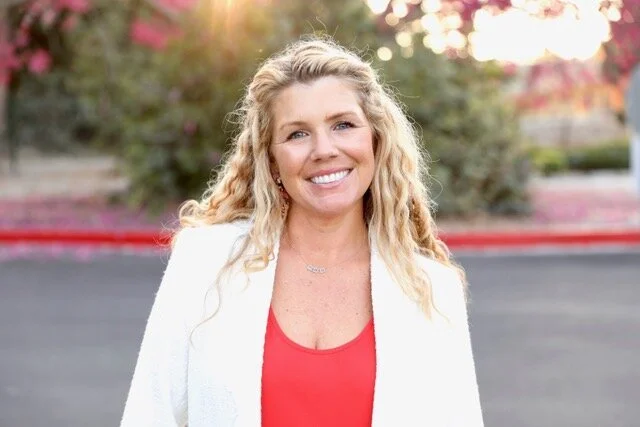
About the Author
Leah Niehaus is a Licensed Clinical Social Worker and Certified Group Psychotherapist (CGP) with over 20 years of clinical experience specializing in group therapy for children, adolescents, and young adults. As the owner and Clinical Director of The Wellness Collective in Hermosa Beach, California, she has dedicated her career to helping individuals navigate life's challenges through the transformative power of group therapy.
Leah earned her Bachelor of Arts in Sociology from Pepperdine University and her Master's in Social Work from California State University, Long Beach. Her clinical background includes community mental health, public child welfare, and psychiatric social work at UCLA Neuropsychiatric Institute and Hospital. She has been in private practice for 21 years and has operated a group practice for 9 years.
As a Certified Group Psychotherapist—an advanced credential representing specialized expertise in group therapy—Leah is recognized as an expert in group dynamics and interpersonal process therapy. She was recently honored by the City of Hermosa Beach as "Best of Clinical Social Work 2023."
Leah is a CAMFT Certified Clinical Supervisor, training the next generation of therapists. She serves as an Ambassador for South Bay Families Connected and sits on the Manhattan Beach Unified School District Medical Advisory Board. She is an active member of the American Group Psychotherapy Association (AGPA),co-leads the Advanced Child & Adolescent Group Therapy Consult Group, and serves on the Public Outreach committee.
Leah is a frequent guest speaker and writer on parenting, adolescence, and group therapies. Her newsletter, "Lighter Touch with Leah," provides practical guidance for parents. As both a clinician and mother of three, she brings professional expertise and personal understanding to her work.
To learn more about Leah's approach or to schedule a free consultation, visit www.thewellnesscollectiveca.com or call 310-817-0599.
