Can Group Therapy Help Someone with High-Functioning Autism or Social Anxiety?
Your child is struggling to connect, and you can see it. Maybe they have high-functioning autism and can't quite read social cues, leading to misunderstandings and isolation. Maybe they're socially anxious and avoid group situations entirely, missing out on friendships and experiences. Maybe they have ADHD or a learning difference that makes social interactions feel overwhelming. You want to help, but you're not sure where to start.
You've probably heard about social skills groups—programs like PEERS that teach kids how to make friends through structured lessons. And while those can be helpful, you're wondering if there's something more. Something that doesn't just teach your child about social skills, but actually helps them practice connecting with peers in real, authentic ways.
That's where interpersonal process group therapy comes in. At The Wellness Collective in Hermosa Beach, we specialize in groups for children, teens, and young adults who struggle with high-functioning autism, social anxiety, ADHD, learning differences, and other challenges that make connection difficult. Our approach is different from curriculum-based social skills groups—and for many kids, that difference makes all the difference.
If you've already read our cornerstone post What is Group Therapy? A Complete Guide, you understand the basics of how group therapy works. This post goes deeper into how group therapy specifically helps neurodivergent kids and socially anxious young adults, what makes our approach unique, and what outcomes you can realistically expect.
As a Certified Group Psychotherapist (LCSW, CGP) with over 20 years of experience, I've witnessed firsthand how powerful group therapy can be for kids who feel different, struggle socially, or carry anxiety into every interaction. Let me walk you through how it works and whether it might be right for your child.
How is interpersonal process group therapy different from social skills curriculum groups?
If you've been researching group therapy for your child with high-functioning autism or social anxiety, you've probably come across programs like PEERS—evidence-based curriculum groups that teach social skills through structured lessons, worksheets, and role-plays. These programs are valuable, and for some kids, they're exactly what's needed.
Our interpersonal process groups are also evidence-based, but they work differently. We don't follow a predetermined curriculum or teach social skills through workbooks. Instead, we focus on what's happening in the here and now—the actual interactions, connections, and challenges that unfold naturally between group members each week.
Think of it this way: curriculum-based groups teach about social skills. Interpersonal process groups let kids practice social skills in real time, without even realizing they're practicing. When a socially anxious teen has to navigate a moment of tension with another group member, we work through it together in that moment. When a kid with autism misses a social cue or misinterprets someone's tone, we address it right then with sensitivity and support.
Here's something important to know: some kids benefit from attending a curriculum-based program before they begin our interpersonal process groups. That structured learning can give them foundational skills that set them up for success in our more spontaneous, real-time groups. If, during the intake, we think your child would benefit from a skills-based program first, we'll let you know. We're not here to force a square peg into a round hole—we're here to match your child with the approach that will actually help them.
We do incorporate skills—absolutely. But those skills emerge organically from what's actually happening in the group, not from a lesson plan we prepared in advance. Your child learns to read the room, practice perspective-taking, handle conflict, and build genuine connections because they're experiencing these things in real time with peers who are also figuring it out.
The beauty of this approach is that the learning is immediately relevant and deeply personal. Your child isn't memorizing social rules from a worksheet—they're discovering how to connect authentically with others while being supported every step of the way.
What does group therapy look like for someone with high-functioning autism or social anxiety?
I know what you might be thinking: if my child struggles socially, how are they going to handle being in a room with other kids? The short answer is: we meet them where they are and support them as they acclimate.
Group therapy isn't about forcing your child to perform or mask who they are. It's about creating a space where they can be authentic while gradually building confidence and connection. We don't expect kids with autism to suddenly act neurotypical, and we don't expect socially anxious kids to be outgoing from day one.
Here's what that looks like in practice: if your child needs to draw while listening because it helps them focus, they can draw. If they need to take a break and step outside for a moment to regulate, we support that. If they're more comfortable listening for the first few sessions before they speak up, that's okay too. We help kids understand what they need to feel comfortable and give them permission to advocate for those needs.
Over time, something shifts. The anxious kid who could barely make eye contact starts volunteering thoughts. The kid with autism who struggled with back-and-forth conversation begins engaging more naturally. They're not masking—they're genuinely becoming more comfortable because the group feels safe.
We also help kids learn to talk about their challenges in a way that makes sense to them. Instead of pretending everything is fine, they practice saying things like, "I need a minute," or "I'm having trouble following this conversation," or "Can you say that a different way?" These are life skills that transfer far beyond the group room.
The goal isn't to change who your child is. It's to help them connect with others while staying true to themselves.
What skills do neurodivergent kids and socially anxious young adults gain in group therapy?
The skills kids and young adults gain in our interpersonal process groups are the ones they'll use for the rest of their lives—and they develop them by practicing in real time with peers.
For kids with high-functioning autism, group helps them learn to pick up on social cues they might naturally miss. They practice reciprocity—how to ask questions back, how to show interest in others, how to navigate the give-and-take of conversation. They build flexibility, learning that social interactions don't always follow a script and that's okay. And perhaps most importantly, they gain confidence. I've watched kids who started group feeling awkward and out of place become leaders in the group over time. I've seen a young woman who struggled socially in high school go on to join a sorority in college—something she never thought possible—because group gave her the foundation to connect authentically with peers.
For socially anxious kids and young adults, group provides gradual exposure to the very thing they fear in the safest possible environment. They practice speaking up even when their heart is racing. They discover that vulnerability doesn't lead to catastrophe. They learn that other people also feel anxious, which takes away the shame. And over time, as they experience genuine acceptance and connection, the anxiety loses its grip. They build confidence not by avoiding social situations, but by showing up week after week and realizing they're more capable than they thought.
Both populations can become leaders in group. The kid who started out quiet and withdrawn often becomes the one offering support to newer members. That transformation—from feeling broken to realizing you have something valuable to offer—is profound.
How does having neurodivergent kids in group benefit everyone?
Here's something that surprises parents: having neurodivergent kids and neurotypical kids in the same group isn't just okay—it's actually beneficial for everyone.
When a neurotypical or "mainstream" kid participates in group alongside peers with autism, ADHD, or learning differences, something important happens. They learn empathy. They learn patience. They learn that not everyone communicates the same way, and that's not a problem to fix—it's just reality. They discover that some people need to move while they talk, or need extra time to process, or express themselves differently. And they learn to be more sensitive and inclusive, not just in group but in every other area of their life.
For the neurodivergent kids, being in a group where they're accepted as they are—not as a "project" to be fixed—is incredibly healing. They're not the only one who's different. They see other kids with different struggles and strengths. They learn that everyone has challenges, just different ones. And they benefit from the modeling that more socially fluent peers provide, without feeling pressure to perform or pretend.
Group becomes a microcosm of an inclusive community. Kids learn that different communication styles and needs are valid. They practice navigating a world where not everyone thinks or processes the same way. And they develop genuine connections across neurotypes—friendships that might not have formed in a more segregated setting.
The result? Everyone leaves group more empathic, more patient, more understanding, and better equipped to navigate a diverse world. That's not just good therapy—that's preparing kids for real life.
Group Therapy for Neurodivergent Kids and Socially Anxious Young Adults in Hermosa Beach, CA
If your child has high-functioning autism, social anxiety, ADHD, or learning differences, you know how hard it is to watch them struggle with connection. You see their potential. You see their kindness, their intelligence, their unique way of seeing the world. But you also see the loneliness, the frustration, the sense that they just don't fit anywhere.
Group therapy won't magically make all those challenges disappear. But it can give your child something they desperately need: a place where they're accepted as they are, where they can practice connecting with peers without pressure to perform, and where they discover they're not alone.
At The Wellness Collective in Hermosa Beach, we specialize in interpersonal process groups for elementary-aged children, middle schoolers, high schoolers, and young adults. As a Certified Group Psychotherapist with over 20 years of experience working with neurodivergent kids and socially anxious young adults, I've built a practice where authenticity matters more than fitting in, where kids learn by doing rather than by memorizing rules, and where everyone—regardless of neurotype—leaves more confident, connected, and capable.
We welcome kids with high-functioning autism, ADHD, learning differences, and social anxiety. We don't expect them to mask or pretend. We support them as they are while helping them build the skills they need to connect authentically with others. And we create groups where neurodivergent and neurotypical kids learn from each other, building empathy and understanding that will serve them for a lifetime.
If you're a parent researching for your child, or a young adult looking for yourself, or a professional seeking a referral resource for a client who needs more than a curriculum-based social skills group—this is your invitation to reach out.
Ready to Take the Next Step?
Contact us to schedule an intake session. During intake, we'll discuss your child's specific challenges, answer your questions, and determine if our interpersonal process groups are the right fit. If we think a curriculum-based program would be better suited as a starting point, we'll tell you that too. We're here to match your child with what will actually help them, not force them into a group that isn't right.
We serve families throughout the South Bay, and we'd be honored to help your child discover that connection is possible—on their own terms.
For more comprehensive information about how group therapy works, read our guide: What is Group Therapy? A Complete Guide.
To learn more about what your child will gain from group therapy, read: What are the Goals of Group Therapy?
Phone: 310-817-0599
Email: info@thewellnesscollectiveca.com
Let's connect and see how we can help your child feel more like themselves again.
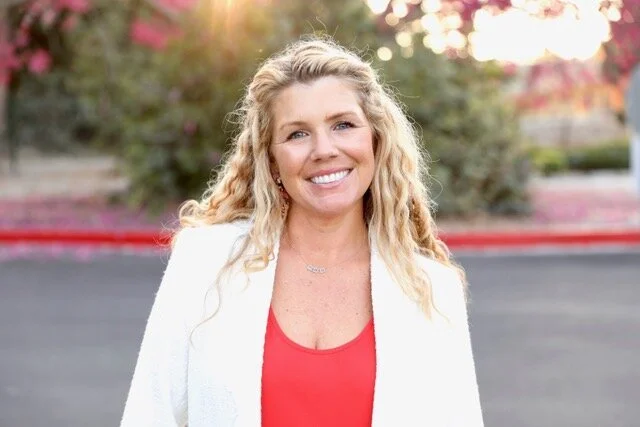
About the Author
Leah Niehaus is a Licensed Clinical Social Worker and Certified Group Psychotherapist (CGP) with over 20 years of clinical experience specializing in group therapy for children, adolescents, and young adults. As the owner and Clinical Director of The Wellness Collective in Hermosa Beach, California, she has dedicated her career to helping individuals navigate life's challenges through the transformative power of group therapy.
Leah earned her Bachelor of Arts in Sociology from Pepperdine University and her Master's in Social Work from California State University, Long Beach. Her clinical background includes community mental health, public child welfare, and psychiatric social work at UCLA Neuropsychiatric Institute and Hospital. She has been in private practice for 21 years and has operated a group practice for 9 years.
As a Certified Group Psychotherapist—an advanced credential representing specialized expertise in group therapy—Leah is recognized as an expert in group dynamics and interpersonal process therapy. She was recently honored by the City of Hermosa Beach as "Best of Clinical Social Work 2023."
Leah is a CAMFT Certified Clinical Supervisor, training the next generation of therapists. She serves as an Ambassador for South Bay Families Connected and sits on the Manhattan Beach Unified School District Medical Advisory Board. She is an active member of the American Group Psychotherapy Association (AGPA),co-leads the Advanced Child & Adolescent Group Therapy Consult Group, and serves on the Public Outreach committee.
Leah is a frequent guest speaker and writer on parenting, adolescence, and group therapies. Her newsletter, "Lighter Touch with Leah," provides practical guidance for parents. As both a clinician and mother of three, she brings professional expertise and personal understanding to her work.
To learn more about Leah's approach or to schedule a free consultation, visit www.thewellnesscollectiveca.com or call 310-817-0599.
