Is Group Therapy Confidential—What If Someone Shares My Story?
If you're considering group therapy for your child—or for yourself—there's probably one question keeping you up at night: what if someone shares my story?
It's a valid fear. In individual therapy, only your therapist hears what you share. But in group therapy, you're trusting 6-8 other people with your vulnerabilities. For parents, the worry is that personal information will spread through school or the community. For teens and young adults, the fear is even more intense—that their vulnerabilities will be exposed or used against them.
As a Certified Group Psychotherapist who's been running groups for over 20 years, I've heard this question hundreds of times. And I always give the same honest answer: yes, group therapy is confidential, and breaches are incredibly rare. But let me be clear about how it works, what protects it, and what you need to know.
If you've already read our cornerstone post What is Group Therapy? A Complete Guide and our supporting posts What are the Goals of Group Therapy? and Can Group Therapy Help Someone with High-Functioning Autism or Social Anxiety?, you understand the basics of how group works. This post addresses the concern that often stops people from taking that first step: can I really trust this process to be safe?
How does confidentiality work in group therapy?
Before anyone joins a group at The Wellness Collective, they attend an intake appointment where we explicitly discuss confidentiality. Every group member—or their parent for younger children—signs a confidentiality agreement. We review what confidentiality means with everyone, including the kids themselves. We talk about what it means, why it matters, and the consequences if it's broken.
For younger kids, we use age-appropriate language, but the message is the same: what happens in group is private. We don't talk about what other people say. We can talk about our own experience, but we don't share other people's stories.
Here's what's different from individual therapy: you're trusting peers—other kids, teens, or young adults navigating their own struggles. There's no absolute guarantee that everyone will honor their commitment. But confidentiality agreements work because people want their own privacy protected. When you agree not to share others' stories, you're also ensuring that your story stays protected. It's mutual.
Group members can talk about their own experience from group—what they learned, how they felt, what insights they had. What they can't do is share someone else's story or identify other members by name outside of group.
What happens if someone breaks confidentiality?
In over 20 years of running groups, I can count on one hand the number of times confidentiality has been seriously breached. But let's talk about what happens when it does occur, because there are two very different scenarios.
The first—the one everyone fears—is malicious or careless gossip. Someone shares another person's story to be mean or without thinking. This is a serious violation. We address it immediately. The person who broke confidentiality is held accountable and, depending on the severity, may be asked to leave the group.
But here's the second scenario: a group member comes to me because they're genuinely worried about another member. Maybe someone shared something that raised concerns about their safety or wellbeing. Maybe they mentioned extreme stress or risk factors that felt alarming. The worried group member breaks confidentiality not to gossip, but because they care.
This kind of disclosure doesn't feel like broken trust—it feels like care. We encourage group members to come to me if they're concerned about someone's safety. When this happens, I can assess, bring in parents if needed, and make sure that person gets support. The group sees this as protective, not betrayal. It reinforces that we look out for each other.
These are very different things. One is a violation. The other is part of how the group takes care of its members.
What are the legal limits to confidentiality in group therapy?
There are limits to confidentiality in group therapy, just as in individual therapy. I explain these clearly at intake.
I'm legally required to break confidentiality if someone discloses abuse or neglect, if someone is in danger of hurting themselves or others, or if there's a court order. These aren't group-specific limits—they apply to all therapy.
If a teen shares they're being abused, I have to report it. If someone expresses they're in danger of harming themselves or others, I take action to keep them safe. These aren't violations of confidentiality—they're my legal and ethical responsibilities.
Outside of these situations, what happens in group is protected. Parents of middle school and high schoolers receive a monthly email update on topics covered in group and applicable resources, but this doesn't include specific content about what individual members shared.
The key is that these limits are explained from the beginning. No surprises. Everyone knows what's protected and what isn't before they share anything vulnerable.
Why do group members actually protect each other's privacy?
Here's what I've observed over two decades: when kids and young adults feel the safety of the group, they protect it fiercely.
Why? Because people want their own privacy protected. When you know your vulnerabilities are safe with this group, you become invested in making sure everyone else's vulnerabilities are safe too. It's mutual protection.
But it's more than self-interest. The group becomes like a family. Members describe it as "a place of security, acceptance, and support." They say, "Group feels like home to me," and "We all take care of each other."
When you care about people, you don't betray their trust. When you feel genuinely connected to peers who've seen your struggles and accepted you anyway, you don't jeopardize that by gossiping. The group develops what I call a fierce loyalty to keeping the space safe.
This loyalty isn't something I impose—it emerges naturally from the group process. When new members join and existing members explain confidentiality, they're not reciting a rule. They're protecting something precious they've built together. New members feel that. They understand this space is different, that it's sacred, and that it's worth protecting.
Does this mean confidentiality is guaranteed? No. There's no absolute guarantee. But the group itself becomes the strongest protection—not the agreement they signed, not the consequences for breaking it. The connection they feel and the safety they've experienced together—that's what keeps confidentiality intact.
Group Therapy in Hermosa Beach, CA: Building Trust Through Safety
Confidentiality concerns are real and deserve to be taken seriously. At The Wellness Collective in Hermosa Beach, we build confidentiality into the foundation of every group. From the intake appointment where we review agreements, to the ongoing culture where members protect what they've built together, confidentiality isn't just a rule—it's a value that everyone shares.
I've seen how powerful group therapy can be when kids and young adults feel safe enough to be vulnerable. And I've also seen how rarely confidentiality is breached when that safety is in place. The fear of exposure is understandable. But the reality is that group members protect each other because they've experienced what it feels like to be truly seen and accepted.
If you're a parent researching for your child, a young adult considering group for yourself, or a professional looking for a referral resource where confidentiality is taken seriously—I invite you to reach out.
Ready to Take the Next Step?
Contact us to schedule an intake session. During intake, we'll discuss confidentiality in detail, answer your questions, and help you determine if group therapy is the right fit.
Phone: 310-817-0599
Email: info@thewellnesscollectiveca.com
Website: www.thewellnesscollectiveca.com
We serve families throughout the South Bay, and we're here to help your child—or you—discover that connection is possible in a space that's genuinely safe.
For more information about group therapy, read:
Let's connect and see how we can help your child feel more like themselves again.
About the Author
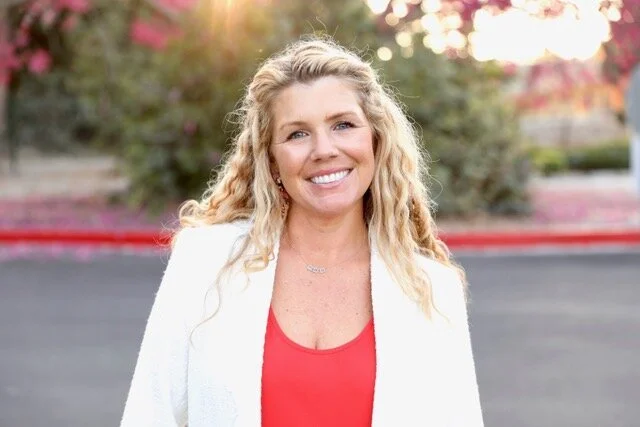
Leah Niehaus is a Licensed Clinical Social Worker and Certified Group Psychotherapist (CGP) with over 20 years of clinical experience specializing in group therapy for children, adolescents, and young adults. As the owner and Clinical Director of The Wellness Collective in Hermosa Beach, California, she has dedicated her career to helping individuals navigate life's challenges through the transformative power of group therapy.
Leah earned her Bachelor of Arts in Sociology from Pepperdine University and her Master's in Social Work from California State University, Long Beach. Her clinical background includes community mental health, public child welfare, and psychiatric social work at UCLA Neuropsychiatric Institute and Hospital. She has been in private practice for 21 years and has operated a group practice for 9 years.
As a Certified Group Psychotherapist—an advanced credential representing specialized expertise in group therapy—Leah is recognized as an expert in group dynamics and interpersonal process therapy. She was recently honored by the City of Hermosa Beach as "Best of Clinical Social Work 2023."
Leah is a CAMFT Certified Clinical Supervisor, training the next generation of therapists. She serves as an Ambassador for South Bay Families Connected and sits on the Manhattan Beach Unified School District Medical Advisory Board. She is an active member of the American Group Psychotherapy Association (AGPA),co-leads the Advanced Child & Adolescent Group Therapy Consult Group, and serves on the Public Outreach committee.
Leah is a frequent guest speaker and writer on parenting, adolescence, and group therapies. Her newsletter, "Lighter Touch with Leah," provides practical guidance for parents. As both a clinician and mother of three, she brings professional expertise and personal understanding to her work.
To learn more about Leah's approach or to schedule a free consultation, visit www.thewellnesscollectiveca.com or call 310-817-0599.
