How Long Do Groups Last and How Often Do Sessions Meet?
You're considering group therapy for your child, and you want to know what you're signing up for. How much time will this take? How long is the commitment? Can your family realistically fit this into an already packed schedule?
These are important questions. Group therapy isn't a one-time event or a quick fix—it's a commitment. And before you say yes, you deserve to know exactly what that commitment looks like.
At The Wellness Collective in Hermosa Beach, our interpersonal process groups meet weekly and are open-ended, meaning there's no predetermined end date. Kids typically stay for several months to a year or longer. I know that might sound like a lot. But here's what I've seen in over 20 years of running groups: the families who commit to the process and show up consistently are the ones who see the most dramatic changes.
If you've already read our posts What is Group Therapy? A Complete Guide, What are the Goals of Group Therapy?, Can Group Therapy Help Someone with High-Functioning Autism or Social Anxiety?, and Is Group Therapy Confidential—What If Someone Shares My Story?, you understand how group works. This post answers the practical question: what's the time commitment, and is it worth it?
How often do group therapy sessions meet and how long are they?
Group therapy sessions meet once a week, on the same day and time each week. This consistency creates stability and predictability for kids dealing with chaos and uncertainty in other areas of their lives.
For our elementary-aged groups (3rd-5th grade), sessions run for 75 minutes. Younger kids have shorter attention spans and benefit from a slightly shorter session.
For our middle school, high school, and young adult groups, sessions run for 90 minutes. This gives enough time for everyone to check in, dive into meaningful work, and process what's happening without feeling rushed.
Ninety minutes might sound long, but here's why it's necessary: the first 15-20 minutes are check-ins. Then the real work begins—processing conflicts, offering support, having important conversations. You need time for all of that to happen and to process it together before the session ends.
Groups meet during the school year and take regular breaks for school holidays and vacations—Thanksgiving week, winter break, and spring break. During the summer, we continue to meet but are flexible, meeting when kids are in town. This gives families breathing room while maintaining consistency and aligns with the school calendar that shapes most families' schedules.
The weekly rhythm is intentional. Meeting once a week keeps momentum going. Kids know group is coming, they'll see these people again soon, and that consistency allows them to take risks and be vulnerable.
What does "open-ended" group therapy mean?
When we say our groups are "open-ended," we mean they don't have a fixed end date. There's no "8-week program" or "12-session curriculum." Members stay as long as it's beneficial, and they leave when they're ready.
This is different from task-oriented or skills-based groups—like CBT or DBT groups—which run for a predetermined number of weeks with specific lessons. Those groups have a clear beginning, middle, and end.
Our interpersonal process groups work differently. Because we focus on real-time relational learning—not teaching a curriculum—the work is ongoing. The group evolves as members come and go, and each person's journey unfolds at their own pace.
Open-ended doesn't mean aimless. We're still goal-oriented. During intake, we talk about what you're hoping your child will gain. We check in regularly about progress. And we work collaboratively with families to determine when someone is ready to transition out.
Some kids join for a specific reason and once they've worked through it, they're ready to move on. Others find that group becomes an ongoing source of support and choose to stay for years. The open-ended model is flexible—it meets kids where they are and allows them to stay as long as they're benefiting.
How long do kids typically stay in group therapy?
This varies widely. Some kids stay for a school year. Others stay for two, three, or even four years. It depends on what they're working on, how quickly they're progressing, and what feels right for their family.
Here's what I can tell you: the kids who stay longer tend to experience more profound transformation. Not because they were worse off, but because they gave the process time to work. Group therapy isn't about fixing a problem quickly. It's about developing skills, building confidence, forming genuine connections, and learning healthier ways to navigate relationships. That takes time.
I've watched kids who started group feeling awkward and isolated become leaders. I've seen socially anxious teens build genuine friendships for the first time. I've witnessed young adults who felt stuck discover direction and possibility. These transformations didn't happen in eight weeks. They happened over months and years of showing up and doing the work.
We work collaboratively with families to figure out when someone is ready to move on. Sometimes a teen says, "I think I'm ready." Sometimes parents notice their child is doing significantly better. Sometimes I bring it up. It's a collaborative decision.
What I don't recommend is pulling a child out abruptly because of scheduling conflicts or because things seem better for a few weeks. Group works best when there's consistency and when the ending is intentional.
The families who see the most dramatic changes are the ones who commit—who show up week after week, even when it's inconvenient, even when their child doesn't feel like going, even when life gets busy. That consistency creates the safety, trust, and depth that makes group therapy so powerful.
Why does weekly attendance matter so much?
I know what you might be thinking: my child already has school, homework, sports, music lessons, and a packed schedule. Adding a 75- or 90-minute commitment every single week feels like a lot. I get it.
But here's what you need to understand: weekly attendance isn't just a preference. It's essential to how group therapy works.
Group therapy is built on relationships. When kids show up week after week, they develop trust with each other. They feel safe enough to be vulnerable. They open up about things they've never told anyone. But that only happens with consistency.
When a child misses group regularly or attends sporadically, it disrupts the process—not just for them, but for the whole group. The other members notice. And when the absent member returns, they've missed context, missed conversations, missed moments of connection.
Think about it this way: if your child only showed up to soccer practice once or twice a month, they wouldn't improve. Group therapy is the same. Skills like emotional regulation and authentic communication require practice. And practice requires showing up.
Weekly attendance also sends a message to your child: this matters. Your emotional health matters. We're investing time in this because it's important. When parents prioritize group therapy the same way they prioritize school or sports, kids internalize that their wellbeing is a priority.
Here's what I tell families: your child spends hours every day on activities that matter to you. Seventy-five to ninety minutes a week to work on their emotional health, their relationships, their sense of self? That's not too much. That's essential.
Yes, it's a commitment. But it's also an investment—in your child's ability to navigate life's challenges, build meaningful relationships, and feel more confident in who they are. That's worth protecting on the calendar.
Group Therapy in Hermosa Beach, CA: Making the Commitment
Group therapy requires a real commitment—weekly attendance, 75-90 minutes per session, and a willingness to stick with it for months or even years. I won't pretend otherwise. But I also won't pretend that anything less will give you the results you're hoping for.
At The Wellness Collective in Hermosa Beach, we run open-ended interpersonal process groups for elementary-aged children, middle schoolers, high schoolers, and young adults. These groups meet weekly during the school year, and we take breaks for holidays and vacations.
As a Certified Group Psychotherapist with over 20 years of experience, I've seen what happens when families commit to the process. I've watched kids transform—confidence build, anxiety decrease, relationships deepen, skills develop. But those outcomes don't happen with sporadic attendance. They happen when families prioritize consistency and trust the process.
If you're wondering whether your family can realistically make this commitment, I encourage you to reach out. Let's talk about what's going on and whether group therapy is the right fit.
Ready to Take the Next Step?
Contact us to schedule an intake session. During intake, we'll discuss your family's schedule, answer questions about the time commitment, and help you determine if group therapy is right for your child.
Phone: 310-817-0599
Email: info@thewellnesscollectiveca.com
Website: www.thewellnesscollectiveca.com
We serve families throughout the South Bay, and we're here to help you figure out if this commitment is one your family can make—and whether it's worth it.
For more information about group therapy, read:
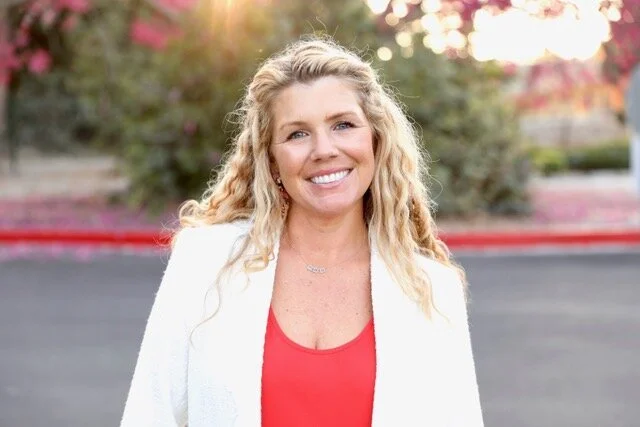
About the Author
Leah Niehaus is a Licensed Clinical Social Worker and Certified Group Psychotherapist (CGP) with over 20 years of clinical experience specializing in group therapy for children, adolescents, and young adults. As the owner and Clinical Director of The Wellness Collective in Hermosa Beach, California, she has dedicated her career to helping individuals navigate life's challenges through the transformative power of group therapy.
Leah earned her Bachelor of Arts in Sociology from Pepperdine University and her Master's in Social Work from California State University, Long Beach. Her clinical background includes community mental health, public child welfare, and psychiatric social work at UCLA Neuropsychiatric Institute and Hospital. She has been in private practice for 21 years and has operated a group practice for 9 years.
As a Certified Group Psychotherapist—an advanced credential representing specialized expertise in group therapy—Leah is recognized as an expert in group dynamics and interpersonal process therapy. She was recently honored by the City of Hermosa Beach as "Best of Clinical Social Work 2023."
Leah is a CAMFT Certified Clinical Supervisor, training the next generation of therapists. She serves as an Ambassador for South Bay Families Connected and sits on the Manhattan Beach Unified School District Medical Advisory Board. She is an active member of the American Group Psychotherapy Association (AGPA),co-leads the Advanced Child & Adolescent Group Therapy Consult Group, and serves on the Public Outreach committee.
Leah is a frequent guest speaker and writer on parenting, adolescence, and group therapies. Her newsletter, "Lighter Touch with Leah," provides practical guidance for parents. As both a clinician and mother of three, she brings professional expertise and personal understanding to her work.
To learn more about Leah's approach or to schedule a free consultation, visit www.thewellnesscollectiveca.com or call 310-817-0599.
