How Do I Choose the Right Kind of Group Therapy for My Child, Teen, or Young Adult?
You've decided group therapy might help. Now comes the harder question: how do you know if it's the right fit?
Not every child is ready for every group. Not every group is right for every situation. And sometimes the timing just isn't right.
As a Certified Group Psychotherapist who's been running groups for over 20 years, I've learned that good group therapy starts with good matching. That means carefully assessing whether someone is ready, whether the group fits their needs, and whether they'll contribute positively to the group dynamic.
Whether you're a parent researching for your child, a young adult looking for yourself, or a professional determining if group therapy is right for your client, this guide will help you understand how the matching process works.
How do I know if my child (or I) am ready for group therapy?
Readiness for group therapy isn't about being "perfect" or "fixed" first. It's about having enough emotional resilience to handle being in a room with peers, enough willingness to try even if it's scary, and enough capacity for self-reflection to benefit from the experience. If you're wondering whether you're ready, you probably are.
You don't need to have it all together. Group therapy is for people who are struggling but have enough inner resources to show up, participate (even minimally), and tolerate some discomfort.
You need some capacity for self-reflection. This doesn't mean you need to be insightful. It just means you can pause and think about your own behavior or feelings. For kids and teens, this might look like being able to answer "How are you feeling?" For young adults, it might mean recognizing patterns like "I always end up in the same conflicts."
You need to be willing to try, even if you're scared. A lot of people who benefit most from group therapy are terrified to start. What matters is that underneath the fear, there's a small willingness to give it a shot.
You need to be stable enough to participate. If someone is in active crisis—severe depression, active suicidal ideation, untreated substance use—they usually need more intensive individual support first.
Developmental readiness matters. For elementary-aged kids (3rd-5th grade), we look for kids who can participate for 75 minutes and interact with peers. For middle and high schoolers, we look for kids working on identity questions. For young adults, we look for people navigating the transition to independence.
What happens during the screening and intake process?
The screening and intake process helps us figure out together whether group therapy is the right fit. It starts with a free phone consultation and then a formal intake appointment where we gather history, review goals and confidentiality, get releases signed to talk to other providers, and assess whether this particular group matches your needs.
Free phone consultation.We offer a free 15-minute phone consultation where we talk about what's going on, answer your questions, and help you figure out if group therapy makes sense. No pressure, no obligation. If group therapy seems like a good direction, we do a brief phone screening to get a preliminary sense of fit. We ask about what's going on and what you're hoping for.
Intake appointment. If the phone screening suggests a potential fit, we schedule a one-time intake. For kids and teens, both parent and child attend (unless 18+). For young adults, you come on your own. For professionals referring a client, we coordinate with you and connect with the family.
During the intake, we gather comprehensive history—family background, school or work, past therapy, mental health concerns, strengths, relationships. We talk about goals. We review how group works—structure, expectations, confidentiality. We get release of information forms signed so we can talk to other providers—your therapist, psychiatrist, school counselor.
We assess for fit and make a recommendation. If group therapy is the right fit and there's space available, we'll talk about next steps. If not, we'll explain why and help you figure out what would be better.
What are you looking for when you match someone to a group?
We're looking for someone who has enough emotional capacity to participate without being overwhelmed, enough in common with other group members to connect, and enough difference to bring something new. We're also looking at timing, space availability, and whether adding this person will create balance or disrupt it.
Emotional capacity. Can this person handle the vulnerability and intensity of group therapy? Do they have enough inner resilience to tolerate uncomfortable feelings, receive feedback, and stay present?
Baseline functioning. Can they sit for 75-90 minutes? Can they track conversations? Can they interact with peers?
Level of maturity and social awareness. Can they think about how they come across to others? Can they handle some feedback? Can they reflect on their own behavior?
Commonality with the group. We look for enough overlap with existing members that connection is possible—similar struggles, similar life stage, or similar identity questions.
What they bring to the group. Every new member changes the group dynamic. We think about what this person will add. The best groups have diversity but enough commonality to connect.
Balance in the group. We think about the mix. If we already have several quiet, anxious kids, we might look for someone more outgoing. We're creating a group where everyone can grow.
Timing and space availability. Even if someone is a perfect fit, if there's no space right now, they'll need to wait. We keep groups to 6-8 members. We also think about whether this is a good time to add someone new. If we are currently full, we will place you on our waiting list.
Information from collaterals. Talking to your child's therapist, psychiatrist, or school counselor helps us understand the full picture. For professionals referring clients: we appreciate when you share your clinical impression.
What if group therapy isn't the right fit right now?
Sometimes group therapy isn't the right fit—or it's not the right time. When that happens, we'll tell you honestly and help you figure out what would be better. Our goal is to get you to the right place, not to force everyone into our groups.
Individual therapy first. Sometimes someone needs individual therapy to stabilize before group makes sense.
Skills-based group instead. If someone is missing foundational social skills, a structured skills-based group like PEERS might be more helpful. We'll let you know if we think that's a better starting place.
Different type of group. Our groups are interpersonal process groups for elementary girls, middle schoolers, high schoolers, and young adults. If you're looking for a different type of group, we'll help you find alternatives.
Not developmentally ready. Sometimes a child or teen isn't ready for the kind of vulnerability that process groups require. That doesn't mean never—just not yet.
Active behaviors that would disrupt group safety. If someone's behavior is so dysregulated they couldn't participate without derailing the group, we'll recommend other resources first.
Here's what we won't do: force you into a group that isn't the right fit just to fill a spot. We care more about right matches than full groups. And "not right now" doesn't mean "never."
Finding the Right Group Therapy in Hermosa Beach, CA
At The Wellness Collective in Hermosa Beach, we specialize in interpersonal process groups for elementary girls (3rd-5th grade), middle school girls and boys, high school girls, and young adults. All of our groups are either facilitated by or supervised by a Certified Group Psychotherapist.
We take matching seriously. We screen carefully, assess thoughtfully, and make honest recommendations. And if our groups aren't the right fit, we'll help you figure out what would be better..
Ready to Take the Next Step?
Contact us to schedule a free 15-minute phone consultation.
Phone: 310-817-0599
Email: info@thewellnesscollectiveca.com
Website: www.thewellnesscollectiveca.com
We serve families throughout the South Bay, and we're here to help you navigate the landscape of group therapy so you can make an informed decision.
For more information about group therapy, read:
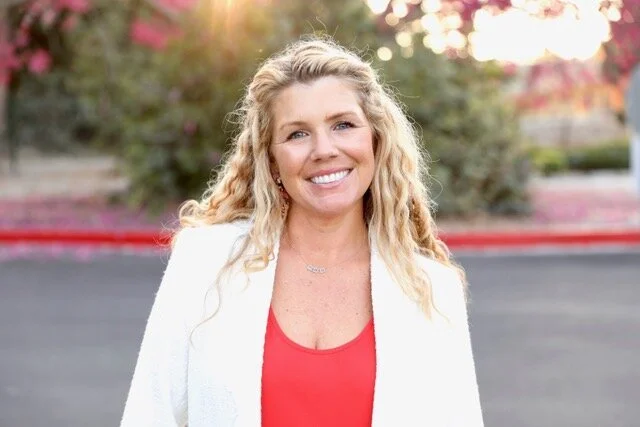
About the Author
Leah Niehaus is a Licensed Clinical Social Worker and Certified Group Psychotherapist (CGP) with over 20 years of clinical experience specializing in group therapy for children, adolescents, and young adults. As the owner and Clinical Director of The Wellness Collective in Hermosa Beach, California, she has dedicated her career to helping individuals navigate life's challenges through the transformative power of group therapy.
Leah earned her Bachelor of Arts in Sociology from Pepperdine University and her Master's in Social Work from California State University, Long Beach. Her clinical background includes community mental health, public child welfare, and psychiatric social work at UCLA Neuropsychiatric Institute and Hospital. She has been in private practice for 21 years and has operated a group practice for 9 years.
As a Certified Group Psychotherapist—an advanced credential representing specialized expertise in group therapy—Leah is recognized as an expert in group dynamics and interpersonal process therapy. She was recently honored by the City of Hermosa Beach as "Best of Clinical Social Work 2023."
Leah is a CAMFT Certified Clinical Supervisor, training the next generation of therapists. She serves as an Ambassador for South Bay Families Connected and sits on the Manhattan Beach Unified School District Medical Advisory Board. She is an active member of the American Group Psychotherapy Association (AGPA),co-leads the Advanced Child & Adolescent Group Therapy Consult Group, and serves on the Public Outreach committee.
Leah is a frequent guest speaker and writer on parenting, adolescence, and group therapies. Her newsletter, "Lighter Touch with Leah," provides practical guidance for parents. As both a clinician and mother of three, she brings professional expertise and personal understanding to her work.
To learn more about Leah's approach or to schedule a free consultation, visit www.thewellnesscollectiveca.com or call 310-817-0599.
