What are the Benefits of Group Therapy?
You're considering group therapy for your child—or maybe for yourself—and you want to know: what will I actually get out of this? What makes sitting in a room with peers and a therapist worth the time, money, and vulnerability?
These are fair questions. Group therapy requires real commitment. It asks you to show up consistently, be vulnerable in front of others, and trust the process even when it's uncomfortable. Before you make that commitment, you deserve to know what the benefits actually are.
As a Certified Group Psychotherapist who's been running groups for over 20 years, I've seen what group therapy can do. I've watched isolated kids build genuine friendships. I've seen anxious teens find their voice. I've witnessed young adults who felt stuck discover direction and possibility. The benefits are real, measurable, and often life-changing.
This post will walk you through the major benefits of group therapy—from breaking isolation to building skills to gaining confidence to creating lasting change. Whether you're a parent researching for your child, a young adult considering it for yourself, or a professional looking for referral resources, you'll understand what makes group therapy so powerful.
What makes group therapy different from individual therapy?
Group therapy offers something individual therapy can't: real-time practice with peers. Instead of just talking about relationships with a therapist, you're actually in relationships with peers who matter to you. The group becomes a microcosm of real life where you can practice new ways of being with immediate feedback and support.
In individual therapy, you talk about what happened at school, at home, with friends. You process it with your therapist, gain insight, and maybe plan how to handle it differently next time. That's valuable work. But it's one step removed from the actual experience.
In group therapy, the experience happens in the room. When conflict arises between group members, you work through it together in real time. When someone feels left out, excluded, or misunderstood, the group addresses it in the moment. When patterns emerge—someone always interrupts, someone never speaks up, someone deflects with humor—the group helps them see it and try something different.
The therapist in group plays a different role too. Instead of being the only relationship in the room, the therapist facilitates relationships between members. The healing happens peer-to-peer, not just therapist-to-client.
You also get multiple perspectives instead of just one. In individual therapy, you get your therapist's viewpoint. In group therapy, you get six to eight different perspectives on the same situation. That diversity of thought helps you see things you couldn't see on your own.
Group therapy is also more affordable than individual therapy, making it accessible for families who need support but struggle with the cost of weekly individual sessions.
How does group therapy help with feeling alone or isolated?
One of the most powerful benefits of group therapy is universality—the profound relief of discovering you're not the only one. When kids and teens realize that others struggle with the same fears, insecurities, and challenges, shame dissolves and connection becomes possible.
So many kids and teens today feel profoundly alone. They look around and see everyone else seeming fine, seeming like they have it together, seeming like they belong. They assume they're the only one struggling, the only one who doesn't fit, the only one who feels this way.
Group therapy shatters that illusion. When a teen shares something they've been ashamed of—anxiety that keeps them up at night, depression that makes everything feel heavy, fear that they're not good enough—and other group members say "Me too," something shifts. The shame loses its grip. The isolation breaks.
This is what we call universality in group therapy, and it's one of the most powerful therapeutic factors. Just knowing you're not alone—that other people understand because they've been there too—can be profoundly healing.
For kids who feel like outsiders everywhere else, group becomes a place where they belong. Members often describe group as "a place of security, acceptance, and support" or "group feels like home to me." That sense of belonging combats the isolation that fuels so much anxiety and depression.
How does helping others in group help you heal?
Here's something most people don't expect: one of the most healing parts of group therapy is helping others. When you support a peer who's struggling, offer perspective, or just listen with empathy, you're not just helping them—you're helping yourself. This is called altruism, and it's a hidden benefit of group therapy.
In individual therapy, you're always the one receiving help. Your therapist supports you, guides you, challenges you. That's their role. But you don't get to be the helper.
In group therapy, you get to be both. You receive support when you're struggling, and you give support when others are struggling. And that giving? It's incredibly healing.
When a depressed teen realizes they helped another group member feel less alone, it shifts something inside them. They're not just a person who needs help—they're someone who has something valuable to offer. When an anxious kid offers wisdom to a newer member, they realize they've grown. When a young adult who felt worthless realizes their words mattered to someone else, their sense of self-worth grows.
Altruism moves you from a place of only receiving to a place of also giving. It reminds you that you have value, that your experience matters, that you're not just a problem to be fixed. You're a whole person with wisdom, empathy, and something to contribute.
This is especially powerful for kids and teens who've been defined by their struggles—the anxious one, the depressed one, the difficult one. In group, they get to be more than that. They get to be the one who helped, the one who understood, the one who made a difference.
What skills do kids actually learn in group therapy?
Group therapy teaches practical, real-world skills that kids use immediately and carry forward into all their relationships. These aren't abstract concepts—they're practiced in the moment with peers who matter, which makes them stick.
Here are the key skills kids develop in group therapy:
Emotional regulation. Kids learn to identify what they're feeling, tolerate uncomfortable emotions without shutting down, and express feelings in ways others can hear. They practice this every week as emotions come up in group.
Communication skills. Kids learn to speak up, say what they need, listen to others, and express themselves clearly. They learn the difference between aggressive, passive, and assertive communication by trying each and seeing what actually works.
Conflict resolution. When conflict arises in group—and it will—kids learn to work through it rather than avoid it or explode. They learn to disagree respectfully, repair after rupture, and stay in relationship even when it's hard.
Social skills. Kids learn to read social cues, take turns, show interest in others, and navigate group dynamics. These skills are practiced organically as group unfolds, not through worksheets or role-plays.
Self-advocacy. Kids learn to ask for what they need, set boundaries, and stand up for themselves without being aggressive. They practice saying no, asking for space, or requesting what would help them.
Empathy and perspective-taking. Kids learn to see situations from multiple angles, understand others' experiences, and hold space for perspectives different from their own.
The key difference between learning these skills in group versus learning them in a curriculum is that in group, you're using them in real relationships that matter. You're not role-playing—you're actually navigating real conflict with real people you care about. That makes the learning stick in ways that worksheets never could.
How does group therapy build confidence and self-esteem?
Group therapy builds confidence by giving kids the experience of being truly seen and accepted as they are. When peers—not just a paid therapist—see your struggles and accept you anyway, it changes how you see yourself. When you take risks in group and survive them, you realize you're braver than you thought.
Low self-esteem often comes from feeling like you have to hide parts of yourself to be accepted. You learn to perform, to mask, to be whoever you think people want you to be. And underneath, you feel like if people really knew you, they'd reject you.
Group therapy offers something different: the experience of being fully yourself and being accepted anyway. When you share something you're ashamed of and group members respond with understanding instead of judgment, it shifts your sense of self. When you show up messy and vulnerable and people still want you there, you start to believe maybe you're okay after all.
Group also builds confidence by giving kids practice taking social risks in a safe environment. Speak up even when you're scared. Disagree with someone you like. Ask for what you need. Set a boundary. Each time you take a risk and survive it—or even mess it up and repair it—you build evidence that you can handle hard things.
Receiving feedback from peers is especially powerful for building confidence. When your therapist says "you're doing great," part of you wonders if they're just being nice—it's their job to be supportive. But when a peer says "I really appreciate what you said," or "You helped me feel less alone," you believe it. Peer validation hits differently.
Kids also build confidence by watching themselves grow. When newer members join the group, long-term members suddenly realize how far they've come. They see themselves through the newer members' eyes and recognize their own growth.
Why is peer feedback more powerful than therapist feedback?
Peer feedback carries more weight than therapist feedback because peers represent the "real world." A therapist's job is to be supportive and understanding. But peers? They don't have to like you. They don't have to accept you. So when they do, it means something.
Adolescents especially care more about what their peers think than what adults think. That's developmentally appropriate. Teens are individuating from their parents and looking to their peer group for identity and belonging. An adult telling them "you're doing great" doesn't land the same way as a peer saying it.
When a peer calls you out on something, you actually listen. When your therapist points out a pattern, you might nod and say "yeah, I'll work on that." But when a peer says "Hey, you interrupted me three times and it made me feel like you weren't listening," you actually feel it. It lands differently because this is someone whose opinion matters to you, someone you're in relationship with.
Peer feedback also feels more credible. Your therapist is trained to see your strengths, to be compassionate, to hold hope. That's wonderful, but it can feel a bit unreal. Your peers, though? They're just regular people navigating their own struggles. When they notice your growth or validate your experience, it feels real because they have no reason to say it except that it's true.
The group also provides immediate feedback on how you come across to others. If you tend to dominate conversations, the group will eventually (with the therapist's help) let you know. If you never speak up, the group will invite you in. If you deflect every time things get real, someone will notice and name it. You get to see yourself through others' eyes, which is information you can't get anywhere else.
How does group therapy help with anxiety, depression, and relationship struggles?
Group therapy addresses specific mental health challenges in unique ways. Anxiety is worked through in real time as you practice being in the situations you fear. Depression is combated through genuine connection. Relationship patterns are revealed and changed within the group itself.
For anxiety: Many anxious kids avoid social situations because they're afraid of judgment, rejection, or saying the wrong thing. Group therapy is exposure therapy in the best way—gradual, supported, and in the context of real relationships. You practice speaking up even when you're scared. You share something vulnerable and discover the catastrophe you imagined doesn't happen. Over time, the anxiety loses its grip because you're building evidence that you can handle what you fear.
For depression: Depression often involves profound disconnection—from yourself, from others, from hope. Group therapy combats that disconnection directly. You're in relationship with people who see you, understand you, and care about you. You experience moments of genuine connection that remind you life can feel different. The group becomes a place of light when everything else feels dark. And through altruism—helping others in group—depressed kids and teens rediscover their sense of purpose and worth.
For relationship struggles: If you always end up in the same conflicts, if you can't keep friends, if you struggle with boundaries or communication—these patterns will show up in group. And when they do, the group helps you see them and try something different. The group becomes a laboratory where you experiment with new ways of relating and get immediate feedback on what works. Those new patterns then transfer to your relationships outside of group.
For identity questions: Group provides a space to explore who you are in the context of peers who accept you. You can try on different aspects of yourself, express parts you've hidden, and work through questions like "Who am I? Where do I belong? What do I believe in?" with the support of others who are asking the same questions.
What are the long-term benefits of group therapy?
The skills, confidence, and sense of belonging you develop in group therapy don't stay in the group room. They transfer to every relationship in your life—family, friends, romantic partners, colleagues. The capacity you build for authentic connection and healthy relationships lasts long after group ends.
Kids who've been in group therapy carry forward the skills they practiced every week. They know how to navigate conflict because they've done it repeatedly. They know how to set boundaries because they've practiced. They know how to stay in relationship even when it's uncomfortable because the group taught them how.
They also carry forward an internalized sense of belonging. Even after group ends, they remember what it felt like to be truly accepted. They know that genuine connection is possible because they've experienced it. That knowledge shapes how they show up in future relationships.
Many kids form lasting friendships in group. Even if the friendships don't continue after group ends, the experience of being deeply known and accepted by peers stays with them. They have evidence that they're capable of meaningful connection.
Perhaps most importantly, group therapy teaches kids that relationships can be repaired. When ruptures happen in group—and they do—the group works through them. Kids learn that conflict doesn't have to mean the end of a relationship. They learn how to apologize, forgive, and rebuild trust. Those are life skills that serve them forever.
For young adults especially, the long-term benefit is often a clearer sense of self. They leave group knowing who they are, what they value, and what they need in relationships. They have the tools to advocate for themselves and the confidence to show up authentically.
The transformation I've witnessed in group members over the years is profound. I've seen isolated kids blossom into connected young adults. I've seen anxious teens find their voice and use it powerfully. I've seen depressed young adults rediscover hope and purpose. These changes aren't just temporary—they're foundational shifts that last.
Group Therapy in Hermosa Beach, CA: Experiencing the Benefits
Understanding the benefits of group therapy is one thing. Experiencing them is another.
At The Wellness Collective in Hermosa Beach, we specialize in interpersonal process groups for elementary girls (3rd-5th grade), middle schoolers, high schoolers, and young adults. All of our groups are facilitated by or supervised by a Certified Group Psychotherapist—a specialized credential that represents advanced training in group dynamics.
We've seen these benefits unfold week after week for years. The relief when a child realizes they're not alone. The shift when someone discovers they have something valuable to offer. The confidence that builds from taking risks and surviving them. The skills that develop through real practice with real peers. The lasting change that comes from being truly seen and accepted.
If you're wondering whether group therapy could benefit your child—or you—we invite you to explore it.
Ready to learn more?
Contact us to schedule a free 15-minute phone consultation. We'll talk about what's going on and help you determine if group therapy might offer the benefits you're looking for.
Phone: 310-817-0599
Email: Info@thewellnesscollectiveca.com
Website: www.thewellnesscollectiveca.com
For more information about group therapy, read:
Can Group Therapy Help Someone with High-Functioning Autism or Social Anxiety?
Is Group Therapy Confidential—What If Someone Shares My Story?
How Do I Choose the Right Kind of Group Therapy for My Child, Teen, or Young Adult?
What is the Difference between a Time-Limited Group and an Open-Ended Group?
What is Better—a Skills-Based Group or a Process Group?
Visit our Group Therapy page: www.thewellnesscollectiveca.com/group-therapy
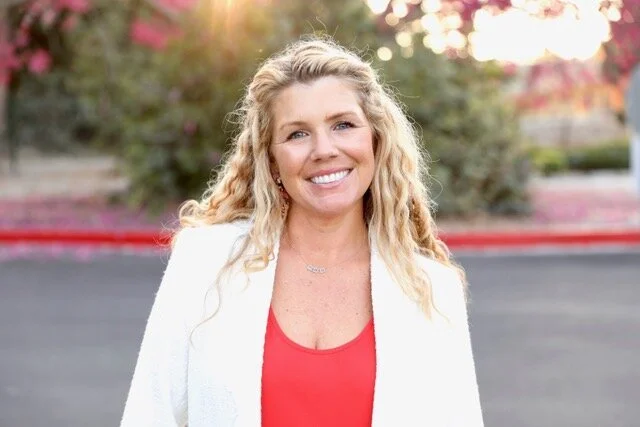
About the Author
Leah Niehaus is a Licensed Clinical Social Worker and Certified Group Psychotherapist (CGP) with over 20 years of clinical experience specializing in group therapy for children, adolescents, and young adults. As the owner and Clinical Director of The Wellness Collective in Hermosa Beach, California, she has dedicated her career to helping individuals navigate life's challenges through the transformative power of group therapy.
Leah earned her Bachelor of Arts in Sociology from Pepperdine University and her Master's in Social Work from California State University, Long Beach. Her clinical background includes community mental health, public child welfare, and psychiatric social work at UCLA Neuropsychiatric Institute and Hospital. She has been in private practice for 21 years and has operated a group practice for 9 years.
As a Certified Group Psychotherapist—an advanced credential representing specialized expertise in group therapy—Leah is recognized as an expert in group dynamics and interpersonal process therapy. She was recently honored by the City of Hermosa Beach as "Best of Clinical Social Work 2023."
Leah is a CAMFT Certified Clinical Supervisor, training the next generation of therapists. She serves as an Ambassador for South Bay Families Connected and sits on the Manhattan Beach Unified School District Medical Advisory Board. She is an active member of the American Group Psychotherapy Association (AGPA),co-leads the Advanced Child & Adolescent Group Therapy Consult Group, and serves on the Public Outreach committee.
Leah is a frequent guest speaker and writer on parenting, adolescence, and group therapies. Her newsletter, "Lighter Touch with Leah," provides practical guidance for parents. As both a clinician and mother of three, she brings professional expertise and personal understanding to her work.
To learn more about Leah's approach or to schedule a free consultation, visit www.thewellnesscollectiveca.com or call 310-817-0599.
