What is the Difference between a Time-Limited Group and an Open-Ended Group?
When you're researching group therapy, one of the decisions you'll need to make is whether you want a time-limited group or an open-ended group. This distinction matters because it affects everything from the level of commitment required to the depth of work that's possible.
Time-limited groups run for a set number of weeks with the same members from start to finish. Open-ended groups have no predetermined end date—members can join when there's space and stay as long as they're benefiting.
As a Certified Group Psychotherapist who runs open-ended interpersonal process groups, I want to help you understand both approaches so you can make the best decision for your child or yourself.
What is a time-limited group and how does it work?
A time-limited group (also called a closed group) runs for a set number of weeks—typically 8-16—with the same members from start to finish. Everyone begins together, follows the same curriculum or program, and graduates together. The structure is clear: you know exactly what you're signing up for and when it ends.
Time-limited groups are almost always skills-based or psychoeducational groups. Think of a 12-week DBT skills group or a 14-week social skills program like PEERS. The curriculum is predetermined. Week 1 covers specific content, Week 2 builds on it, and so on. Everyone moves through the material together at the same pace.
The advantage of time-limited groups is predictability. You know the commitment upfront. There's a beginning, middle, and end. For parents or young adults who feel nervous about open-ended commitments, this can feel safer and more manageable. You can look at your calendar and say, "Okay, 12 weeks. We can do that."
There's also something powerful about going through a program with the same cohort. Everyone learns together, practices together, struggles together, and finishes together. It builds a sense of camaraderie and shared experience.
The disadvantage is that meaningful change often takes longer than 12 weeks. Just when kids are getting comfortable with each other and starting to open up, the group ends. And if someone misses a few weeks—because of illness, family vacation, or other conflicts—they've missed essential content they can't get back. The curriculum moves forward whether you're there or not.
Time-limited groups work well when someone needs to learn specific skills or information in a structured, focused way. They're efficient and practical. But they're not designed for deep relational work.
What is an open-ended group and how does it work?
An open-ended group has no set end date. New members can join when there's space (after careful screening), and existing members stay as long as they're benefiting. These groups are almost always interpersonal process groups. At The Wellness Collective, all of our groups are open-ended.
In an open-ended group, there's no graduation date. Members decide—in collaboration with the therapist and sometimes their parents—when they're ready to move on. Some kids stay for six months. Others stay for a year or two. Some even stay for three or four years. It depends on what they're working on and how much time they need.
The advantage of open-ended groups is that the work can go as deep as it needs to. There's no artificial cutoff. Kids who need more time get more time. The group also develops a continuity and depth that time-limited groups can't achieve.
Long-term members become leaders in the group. They model growth and vulnerability for newer members. Newer members bring fresh energy and perspectives. The group evolves over time, but there's a core stability that creates safety. Members describe it as "group feels like a family" or "a place of security and support."
The disadvantage is that it requires more commitment. You can't just sign up for 12 weeks and be done. It's ongoing. Some families struggle with that level of commitment, especially if schedules are packed or if they want a clear endpoint. And for kids or teens who resist therapy, the open-ended nature can feel overwhelming—"How long do I have to do this?"
Open-ended groups work best when someone is working on relational patterns, identity questions, or deep emotional growth. These things don't resolve in 12 weeks. They need time, repetition, and the safety that comes from a group that stays together long enough to truly know each other.
What are the advantages and disadvantages of each?
Time-limited groups offer predictability and a clear endpoint, which can feel manageable and less intimidating. Open-ended groups offer depth and continuity, which allows for more profound transformation. Both have trade-offs.
Time-limited advantages:
Predictable commitment—you know when it ends
Less intimidating for people hesitant about therapy
Everyone starts and finishes together—builds cohort bond
Efficient for learning specific skills or information
Works with busy schedules—clear beginning and end
Time-limited disadvantages:
Just when kids get comfortable, it's over
Miss sessions = miss critical content
Not enough time for deep relational work
Change takes longer than 12 weeks for most issues
Open-ended advantages:
Work goes as deep as needed—no artificial cutoff
Kids get the time they actually need
Group develops depth and becomes like family
Long-term members model growth for new members
Relational patterns can be worked through over time
Open-ended disadvantages:
Requires ongoing commitment—can feel daunting
No clear endpoint—some people need that structure
Harder to schedule around—it's not "just 12 weeks"
Requires trust in the process without knowing exactly when it will end
The reality is that different people need different things at different times. If you're overwhelmed and need a clear, manageable commitment, time-limited might be better. If you're willing to invest in deeper work and can commit to the process, open-ended is often more transformative.
How do I know which type is right for my child?
Ask yourself: What's the goal? If you need short-term, concrete skills, time-limited works well. If you're working on relational patterns, identity questions, or long-term growth, open-ended is usually more effective. Also consider: Can your family commit to ongoing work, or do you need a clear endpoint?
If your child needs to learn specific skills—like social skills, emotion regulation techniques, or coping strategies—a time-limited skills-based group makes sense. The curriculum gives structure, and the clear endpoint makes it manageable.
But if your child is struggling with anxiety that prevents them from using skills they already have, if they're stuck in the same relationship patterns over and over, if they feel isolated and disconnected, if they're working through identity questions—these issues need more than 12 weeks. They need the kind of depth and safety that only develops in an open-ended group.
Here's another way to think about it: time-limited groups are great for learning what to do. Open-ended groups are better for figuring out how to actually do it when life gets messy.
Also consider your family's capacity for commitment. Open-ended groups require showing up week after week, even when it's inconvenient, even when your child doesn't feel like going, even when life gets busy. If you can't commit to that level of consistency, a time-limited group might be more realistic right now.
At The Wellness Collective, our groups are open-ended because we specialize in interpersonal process work. We've seen that real relational growth takes time. But if we think a time-limited skills-based group would be better for your child, we'll tell you honestly and help you find those resources.
Finding the Right Group Therapy in Hermosa Beach, CA
Understanding the difference between time-limited and open-ended groups helps you make an informed decision about what's right for your child.
At The Wellness Collective in Hermosa Beach, we run open-ended interpersonal process groups for elementary girls (3rd-5th grade), middle schoolers, high schoolers, and young adults. We believe that meaningful relational growth requires time, consistency, and the safety that develops when a group stays together long enough to truly know each other.
Our groups require commitment. But that commitment creates the depth and transformation we see in our members over time.
Ready to Take the Next Step?
Contact us to schedule a free 15-minute phone consultation.
Phone: 310-817-0599
Email: info@thewellnesscollectiveca.com
Website: www.thewellnesscollectiveca.com
We serve families throughout the South Bay, and we're here to help you navigate the landscape of group therapy so you can make an informed decision.
For more information about group therapy, read:
Can Group Therapy Help Someone with High-Functioning Autism or Social Anxiety?
Is Group Therapy Confidential—What If Someone Shares My Story?
How Do I Choose the Right Kind of Group Therapy for My Child, Teen, or Young Adult?
What is a Social Skills Group vs a Process Group?
Visit our Group Therapy page: www.thewellnesscollectiveca.com/group-therapy
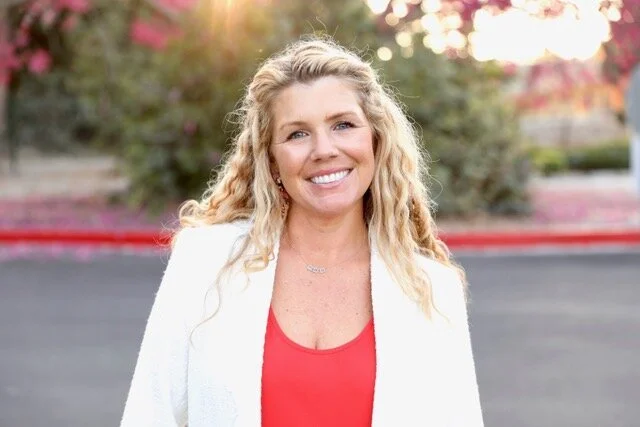
About the Author
Leah Niehaus is a Licensed Clinical Social Worker and Certified Group Psychotherapist (CGP) with over 20 years of clinical experience specializing in group therapy for children, adolescents, and young adults. As the owner and Clinical Director of The Wellness Collective in Hermosa Beach, California, she has dedicated her career to helping individuals navigate life's challenges through the transformative power of group therapy.
Leah earned her Bachelor of Arts in Sociology from Pepperdine University and her Master's in Social Work from California State University, Long Beach. Her clinical background includes community mental health, public child welfare, and psychiatric social work at UCLA Neuropsychiatric Institute and Hospital. She has been in private practice for 21 years and has operated a group practice for 9 years.
As a Certified Group Psychotherapist—an advanced credential representing specialized expertise in group therapy—Leah is recognized as an expert in group dynamics and interpersonal process therapy. She was recently honored by the City of Hermosa Beach as "Best of Clinical Social Work 2023."
Leah is a CAMFT Certified Clinical Supervisor, training the next generation of therapists. She serves as an Ambassador for South Bay Families Connected and sits on the Manhattan Beach Unified School District Medical Advisory Board. She is an active member of the American Group Psychotherapy Association (AGPA),co-leads the Advanced Child & Adolescent Group Therapy Consult Group, and serves on the Public Outreach committee.
Leah is a frequent guest speaker and writer on parenting, adolescence, and group therapies. Her newsletter, "Lighter Touch with Leah," provides practical guidance for parents. As both a clinician and mother of three, she brings professional expertise and personal understanding to her work.
To learn more about Leah's approach or to schedule a free consultation, visit www.thewellnesscollectiveca.com or call 310-817-0599.
