What is Better—a Skills-Based Group or a Process Group?
If you're trying to decide between a skills-based group and a process group for your child, you're probably asking: which one is better?
Here's the honest answer: neither is universally better. It's not about which approach is superior—it's about which approach matches what your child actually needs right now.
Skills-based groups work best when someone is missing foundational knowledge or techniques. Process groups work best when someone knows what to do but struggles to actually do it in relationships. The right choice depends on where your child is starting from and what they need to work on.
As a Certified Group Psychotherapist who runs interpersonal process groups, I could easily tell you that process groups are always better. But that wouldn't be true—or helpful. Both approaches are valuable. Both are evidence-based. Both can be transformative. The question isn't which is better. The question is which is right for your child.
When does a skills-based group work best?
Skills-based groups work best when someone is missing foundational knowledge or techniques. If your child doesn't know how to start a conversation, doesn't understand social cues, or lacks basic techniques for making friends, a skills-based group gives them tools they're missing. It's like learning vocabulary in a new language—you need the words before you can have a conversation.
If your child genuinely doesn't know what to do in social situations, a structured skills group can be incredibly helpful. Programs like PEERS break down social interactions into teachable steps: how to join a conversation, how to handle disagreement, how to read facial expressions, how to make and keep friends.
Skills-based groups are particularly effective for kids with autism, ADHD, or significant social skill deficits who benefit from concrete, step-by-step instruction. These kids aren't just anxious about social situations—they're genuinely missing the knowledge of what the social rules are. They need to be taught explicitly.
Skills-based groups are also great for short-term, concrete goals. If you need to help your child learn specific techniques quickly—emotion regulation skills, coping strategies, social scripts—a time-limited skills group is efficient and practical.
Think of it this way: if your child is lost in a new city and doesn't have a map, they need directions. That's what skills-based groups provide—clear, concrete directions for navigating social situations.
When does a process group work best?
Process groups work best when someone knows what to do but struggles to actually do it. If your child understands social cues but is too anxious to use them, if they can make friends but can't keep them, if they know how to have conversations but always end up in the same conflicts—they don't need more skills training. They need to practice in real relationships with support.
This is where process groups excel. Instead of teaching skills from a curriculum, the group becomes a laboratory where kids practice relating to others in real time. When conflict arises, they work through it together. When patterns emerge, the group helps them see those patterns and try something different.
Process groups are better for deeper, long-term relational growth. If your child struggles with anxiety, depression, isolation, or relational patterns—if they get stuck in the same conflicts with different people, if they feel disconnected even when they're around others, if they're working through identity questions—these issues need more than a 12-week skills curriculum. They need the kind of depth and safety that develops in an open-ended process group.
Here's the key difference: skills groups answer the question "What should I do?" Process groups answer the question "Why do I keep doing this, and how do I change it?"
If your child has the map but freezes when it's time to actually navigate, that's not a knowledge problem—it's an emotional or relational problem. Process groups help with that.
Think of it this way: your child might know exactly what they're supposed to do in a social situation, but when they're anxious or triggered, that knowledge goes out the window. Process groups help them practice staying present and using what they know even when things get uncomfortable.
Can someone benefit from both approaches?
Yes. Sometimes kids benefit from both—starting with skills-based work to build a foundation, then moving to process work to integrate those skills into real relationships. These approaches aren't in competition with each other. They're complementary.
At The Wellness Collective, we sometimes recommend that a child do a skills-based program first if we think they'd benefit from that foundation. For example, if a child with autism is missing fundamental social knowledge, we might suggest they do PEERS first to learn the basics, and then join one of our process groups to practice using those skills in real relationships where emotions, anxiety, and unpredictability are involved.
This sequential approach can be powerful. The skills-based work gives them the tools. The process work helps them figure out how to use those tools when life gets messy.
We're not trying to force everyone into our model. We care about right fit, not filling our groups. If we think a skills-based program would serve your child better right now, we'll tell you honestly and help you find those resources.
Some kids need the structure and predictability of a skills-based curriculum before they're ready for the vulnerability and unpredictability of a process group. That's okay. Both are valuable steps in their growth.
The key is being honest about what's needed and being willing to recommend the approach that actually fits—even if it's not the one you specialize in.
How do I decide which approach is right for my child?
Ask yourself one simple question: Does my child not know what to do, or do they know but struggle to do it? If they're missing knowledge, consider skills-based groups. If they know what to do but anxiety, patterns, or other barriers get in the way, process groups work better.
Here's a simple way to assess:
Your child might need a skills-based group if:
They don't know how to start conversations
They miss social cues and don't understand why interactions go wrong
They lack basic techniques for making or keeping friends
They need concrete, step-by-step instruction
They're working on short-term, specific goals
They have autism, ADHD, or significant social skill deficits
Your child might need a process group if:
They know what to do but are too anxious to do it
They can make friends but struggle to keep them
They get stuck in the same relationship patterns repeatedly
They feel isolated or disconnected even when around people
They're working through identity questions or deeper emotional issues
They need practice navigating real relationships with support
If you're still not sure, that's what intake appointments are for. During intake, we assess what your child is struggling with, what's missing, and what approach makes the most sense. We'll be honest about whether our process groups are the right fit or whether we think another approach would be better.
Trust professional guidance. A good therapist will help you figure out what your child actually needs and whether their group is the right match. And if it's not, they'll help you find what would work better.
Finding the Right Group Therapy in Hermosa Beach, CA
The question isn't which type of group is better. The question is which type of group matches your child's needs right now.
At The Wellness Collective in Hermosa Beach, we specialize in interpersonal process groups for elementary girls (3rd-5th grade), middle schoolers, high schoolers, and young adults. We've seen how transformative process groups can be for kids working on relational patterns, anxiety, depression, and identity questions.
But we also know that process groups aren't right for everyone. If we think a skills-based program would be more helpful for your child, we'll tell you honestly.
Ready to explore which approach might be right for your child?
Contact us to schedule a free 15-minute phone consultation. We'll talk about what's going on and help you determine whether a process group, a skills-based group, or something else entirely makes the most sense.
Phone: 310-817-0599
Email: info@thewellnesscollectiveca.com
Website: www.thewellnesscollectiveca.com
We serve families throughout the South Bay, and we're here to help you navigate the landscape of group therapy so you can make an informed decision.
For more information about group therapy, read:
Can Group Therapy Help Someone with High-Functioning Autism or Social Anxiety?
Is Group Therapy Confidential—What If Someone Shares My Story?
How Do I Choose the Right Kind of Group Therapy for My Child, Teen, or Young Adult?
What is the Difference between a Time-Limited Group and an Open-Ended Group?
Visit our Group Therapy page: www.thewellnesscollectiveca.com/group-therapy
About the Author
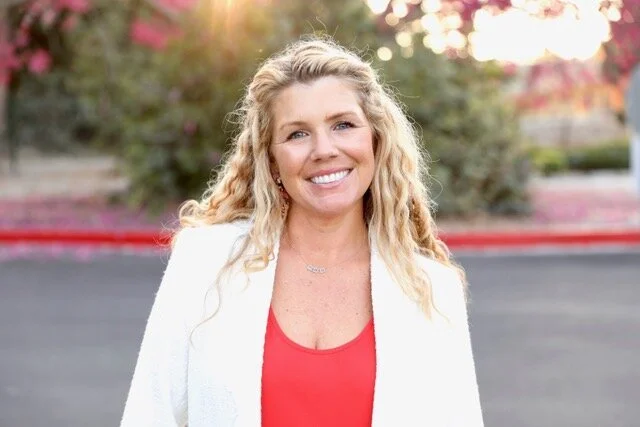
Leah Niehaus is a Licensed Clinical Social Worker and Certified Group Psychotherapist (CGP) with over 20 years of clinical experience specializing in group therapy for children, adolescents, and young adults. As the owner and Clinical Director of The Wellness Collective in Hermosa Beach, California, she has dedicated her career to helping individuals navigate life's challenges through the transformative power of group therapy.
Leah earned her Bachelor of Arts in Sociology from Pepperdine University and her Master's in Social Work from California State University, Long Beach. Her clinical background includes community mental health, public child welfare, and psychiatric social work at UCLA Neuropsychiatric Institute and Hospital. She has been in private practice for 21 years and has operated a group practice for 9 years.
As a Certified Group Psychotherapist—an advanced credential representing specialized expertise in group therapy—Leah is recognized as an expert in group dynamics and interpersonal process therapy. She was recently honored by the City of Hermosa Beach as "Best of Clinical Social Work 2023."
Leah is a CAMFT Certified Clinical Supervisor, training the next generation of therapists. She serves as an Ambassador for South Bay Families Connected and sits on the Manhattan Beach Unified School District Medical Advisory Board. She is an active member of the American Group Psychotherapy Association (AGPA),co-leads the Advanced Child & Adolescent Group Therapy Consult Group, and serves on the Public Outreach committee.
Leah is a frequent guest speaker and writer on parenting, adolescence, and group therapies. Her newsletter, "Lighter Touch with Leah," provides practical guidance for parents. As both a clinician and mother of three, she brings professional expertise and personal understanding to her work.
To learn more about Leah's approach or to schedule a free consultation, visit www.thewellnesscollectiveca.com or call 310-817-0599.
